
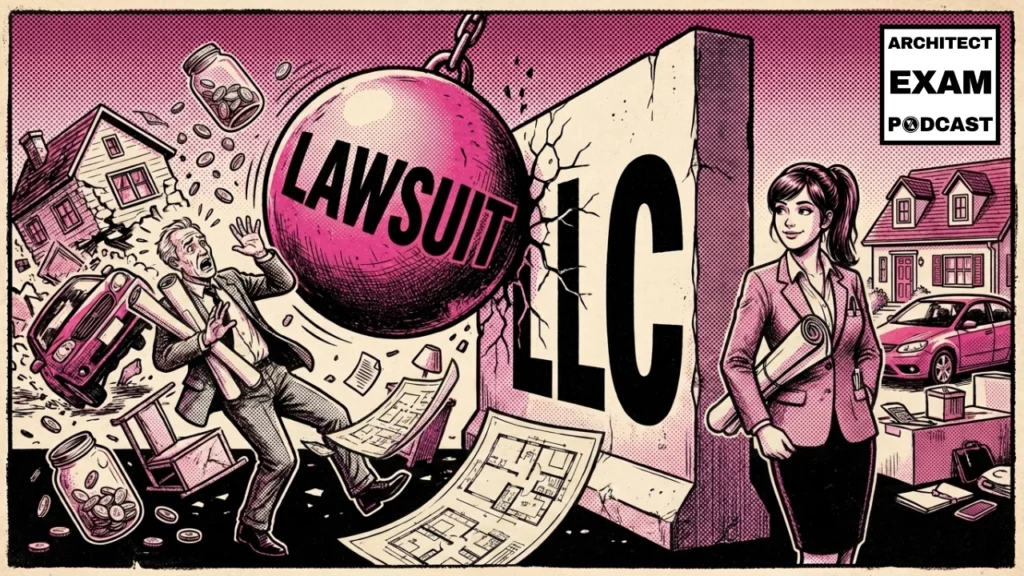
Business Entity Types for Architects: LLC, LLP, S-Corp
Understanding the different business entity types for architects is about as exciting as watching concrete cure, but it’s absolutely crucial for your architecture career. Whether you’re choosing between a sole proprietorship, LLC, PLLC, LLP,...
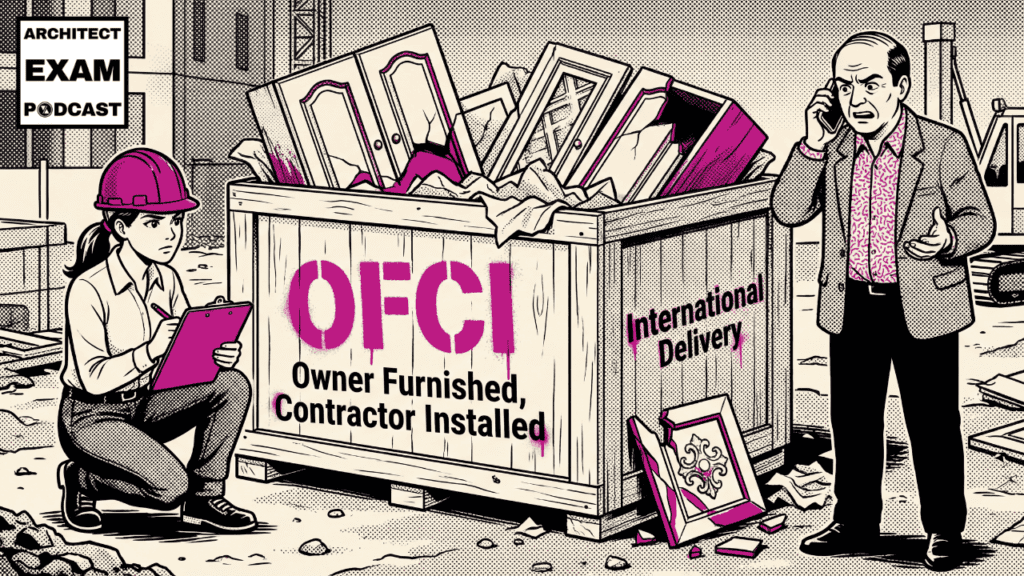
OFCI: Owner Furnished, Contractor Installed Simply Explained
OFCI (owner furnished, contractor installed) is one of the most misunderstood procurement methods in construction. The OFCI meaning is straightforward on the surface, but it often delivers coordination headaches and liability questions that catch...
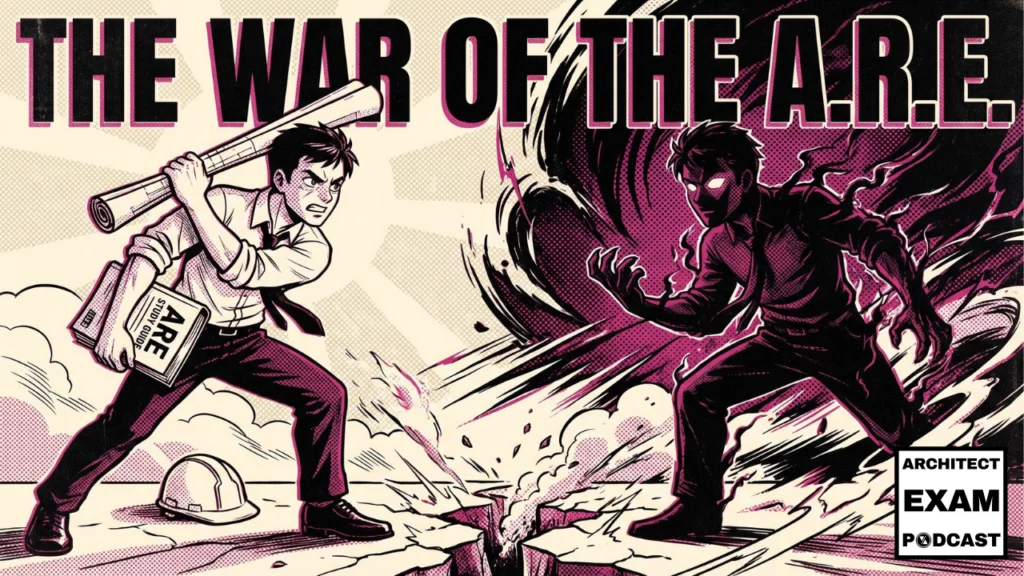
The War of Art: Lessons for Exam Success
Steven Pressfield’s The War of Art explains why you keep sabotaging your architect exam prep and how to stop. This war of art summary breaks down Pressfield’s concept of Resistance, the invisible force behind...
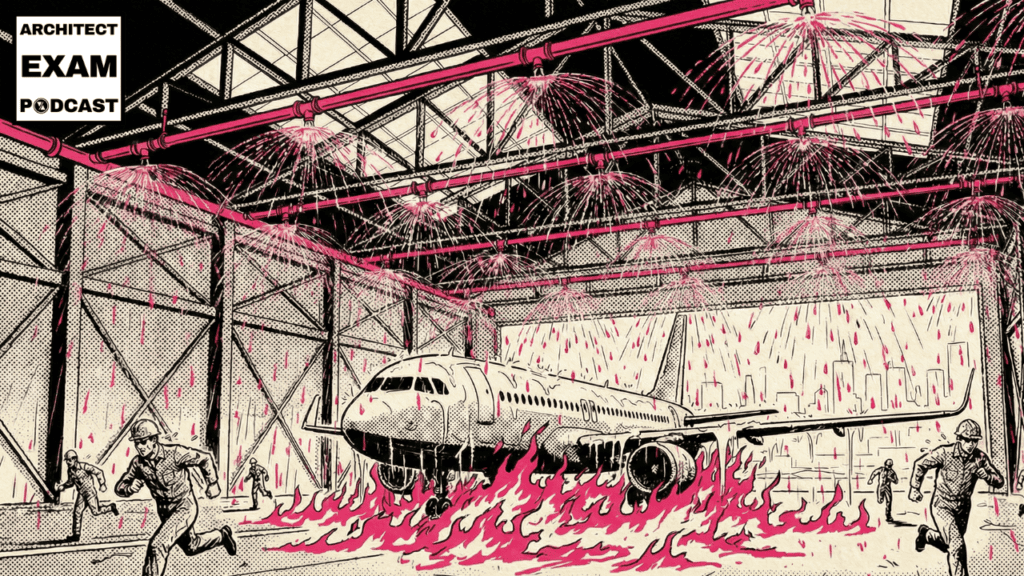
Fire Sprinkler Systems: Wet, Dry, Pre-Action, Deluge
Fire sprinkler systems are one of the most critical life safety systems in any building. This guide breaks down the four main types of sprinkler systems, how they work, when to use each one,...
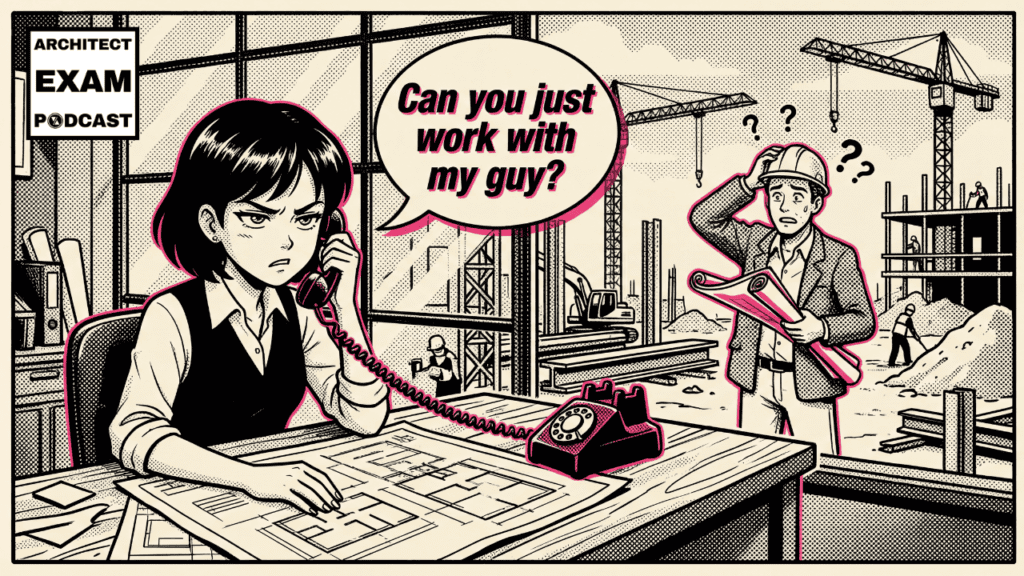
Owner’s Consultants: Know Where Your Liability Ends
Learn the difference between owner’s consultants and architect’s consultants, including where the liability falls, what coordination actually requires, and how to protect yourself on the ARE and in practice. This podcast is also available...
How to Become an Architect: What You Need to Know
Learning how to become an architect in the US means completing four key steps: earning an accredited degree, gaining real-world experience, passing the Architect Registration Exam (ARE), and paying your licensing fees. Here’s everything...
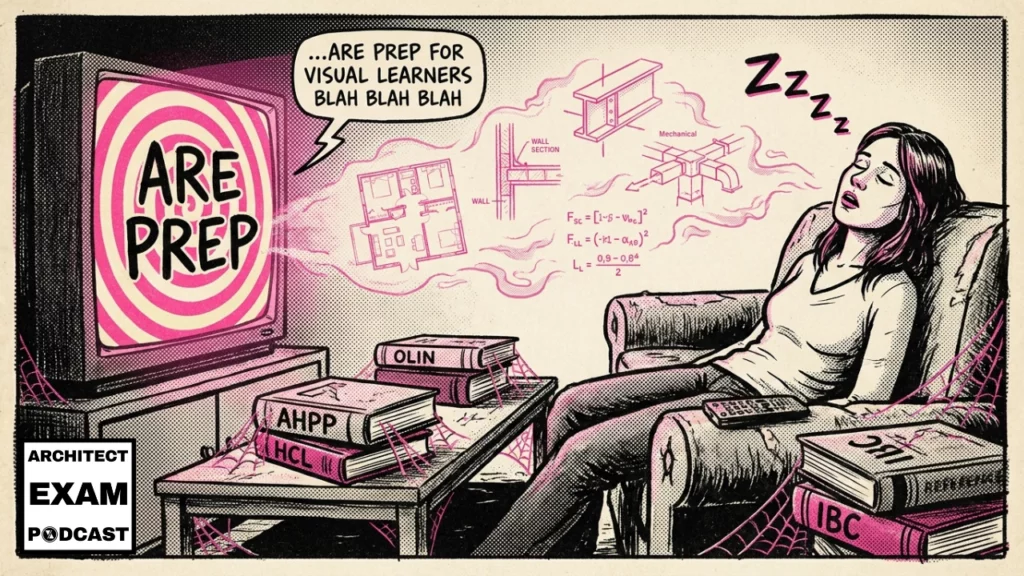
Visual Learner Myth: Why You Need Multiple Study Methods
The visual learner myth has convinced thousands of ARE candidates that watching videos is enough to pass the architect exam. It’s not. This post breaks down the learning pyramid, explains the difference between active...
PA, PPD, and PDD: Know the Difference Before You Study
The ARE technical exams (PA, PPD, and PDD) test your ability to define, design, and document a building project. This guide breaks down what each exam actually covers, how they connect, and why understanding...
Division 01 General Requirements: Running Your Project
When you open a set of specifications, you probably flip straight to the division you care about. Concrete? Division 03. Steel? Division 05. Finishes? Division 09. But general requirements, the very first division in...
Plumbing Valves: Every Type You Need to Know
Plumbing valves are one of those topics that sounds intimidating until someone actually breaks it down. Whether you’re studying for the ARE, preparing for the CDT, or just trying to understand the different types...
Architectural Specification Writing: 10 Common Errors
Architectural specification writing is one of the most important skills in practice, and one of the least taught. Despite being legal contract documents that carry the same weight as your drawings, construction specifications are often...
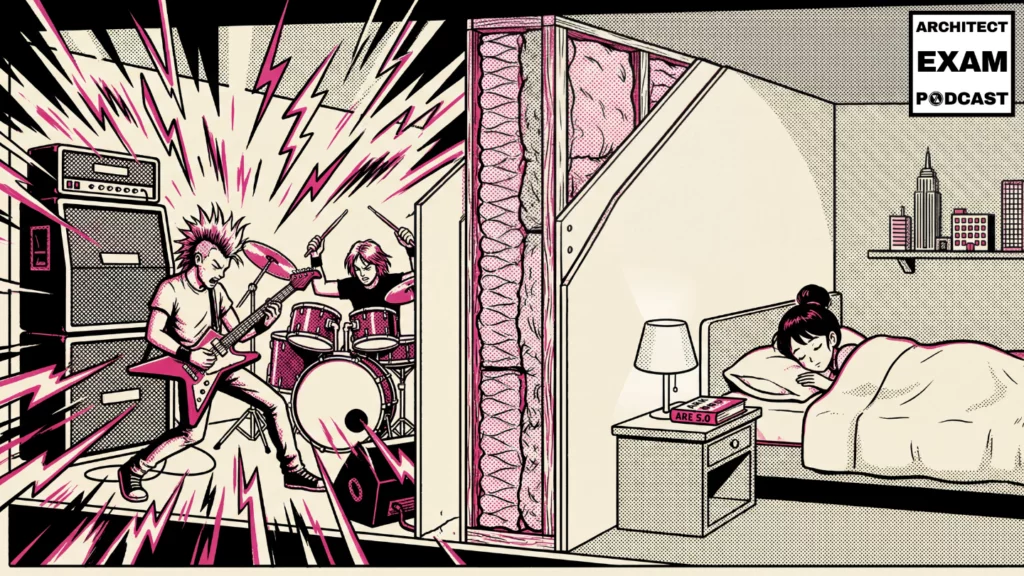
Building Acoustics: How Sound Actually Works in Buildings
Building acoustics is one of those topics that affects every person inside a building, but most architects don’t think about it until something goes wrong. This guide breaks down everything you need to know...
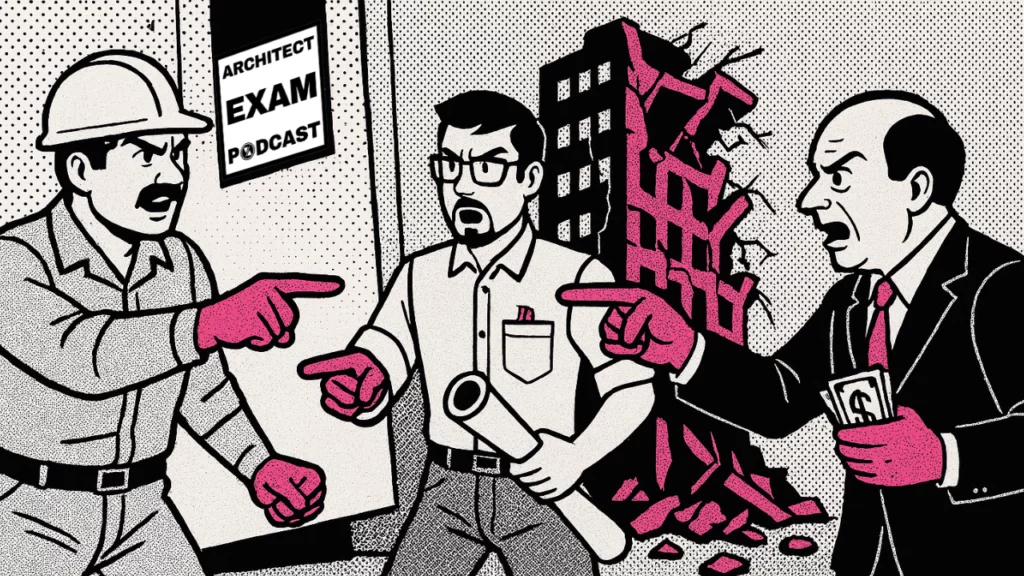
Architect Insurance: Types, Costs, and Risk Management Guide
Architect insurance is one of those topics that nobody wants to think about until they absolutely have to. But understanding your coverage (from professional liability and errors and omissions insurance to claims-made policies, tail coverage,...
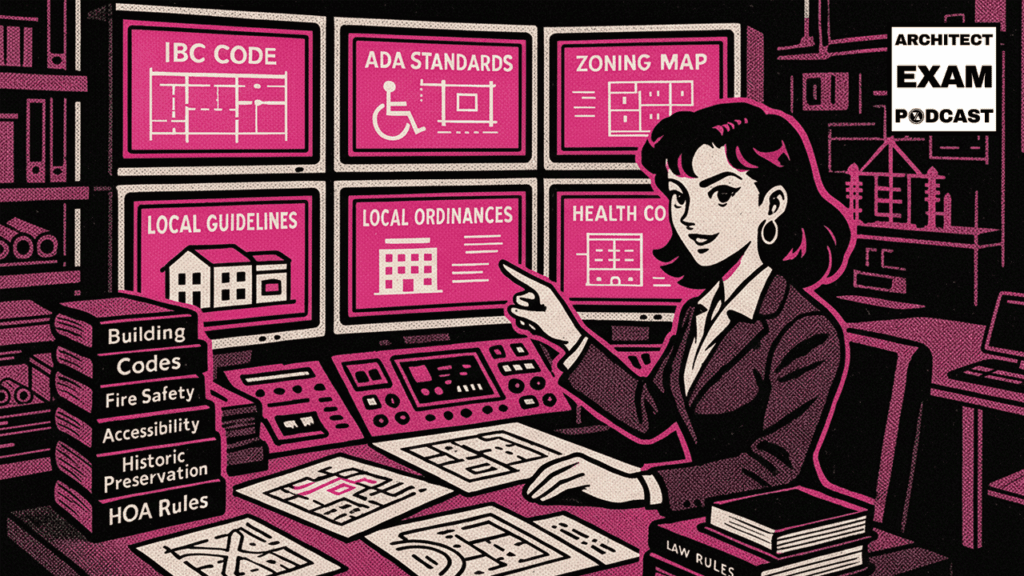
Building Codes and Regulations: What the PA Exam Actually Tests
Building code compliance is one of the most important skills you’ll develop as an architect, and it shows up early on the PA exam. Section 2 covers codes and regulations, and it accounts for...
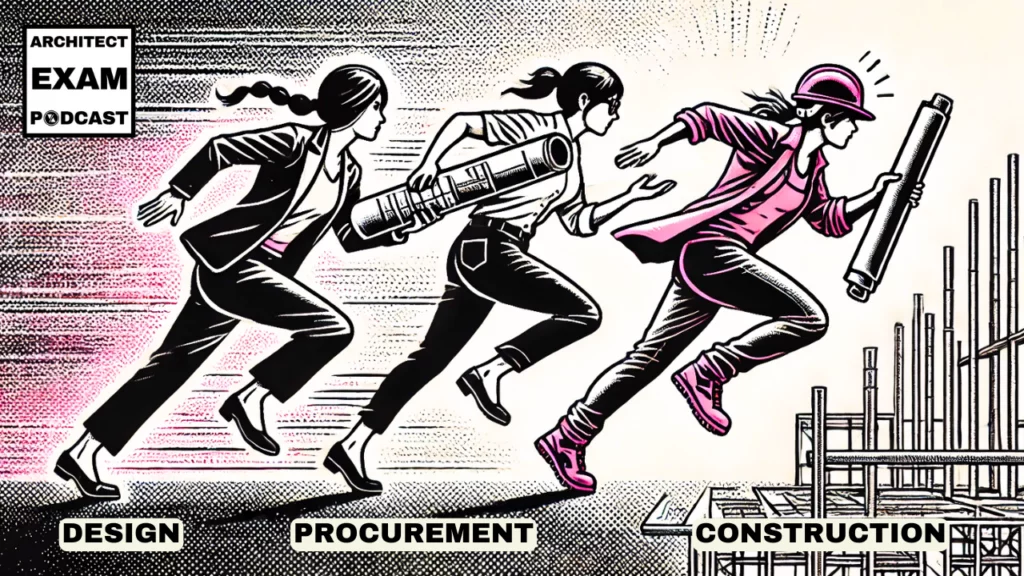
Construction Bidding Process: 8 Stages From Bid to Build
The construction bidding process on public projects follows a strict, regulated path from completed drawings to breaking ground. This guide walks through all eight stages of the construction bid process, covering bid preparation, sealed bidding,...
Construction Observation: Field Reports and Site Visits
Construction observation is the heart of the architect’s role during construction. It’s where you shift from designer to project advocate, visiting the site, evaluating the work, and making sure what’s being built matches what was...
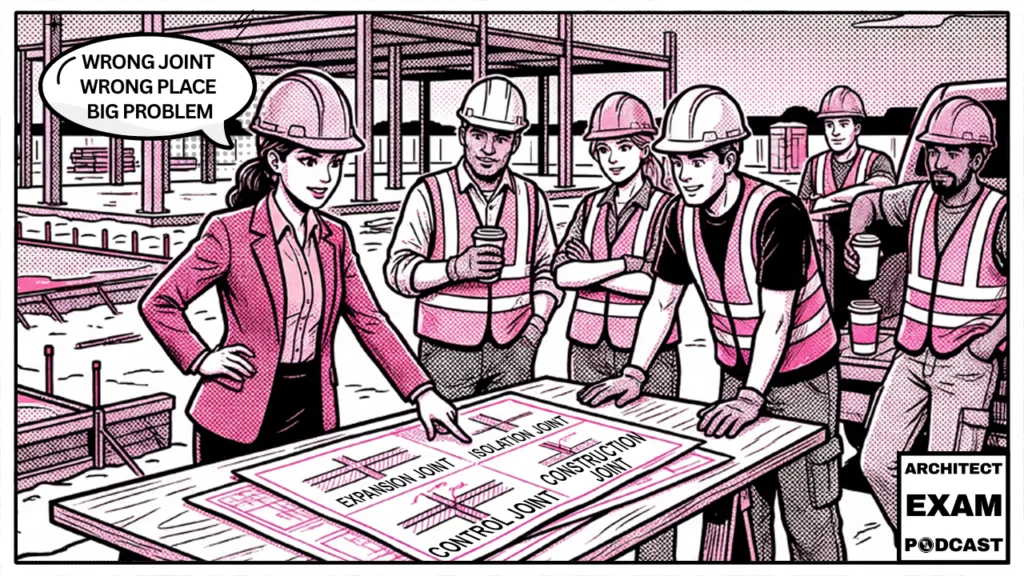
Control Joint vs Expansion Joint: Where the Cracks At?
Understanding the difference between a control joint vs expansion joint is one of those things that trips up almost everyone. This guide breaks down all four joint types, expansion joints, control joints, isolation joints,...

What Is The Best ARE 5.0 Exam Order?
Choosing the right ARE 5.0 test order can save you hundreds of hours and thousands of dollars in retakes. The sequence you choose isn’t just about convenience – it’s about building the foundation knowledge that...

PcM, PjM, and CE: Understanding the Difference Before You Study
Most ARE candidates jump straight into studying PcM, PjM, and CE without ever stopping to ask, “What is each of these exams actually about?” This guide breaks down the three pro practice exams on...
How to Build an ARE Study Schedule That Works
Building an ARE study schedule that actually works is one of the hardest parts of the licensing process, especially when most advice out there ignores the reality of what it takes. After helping hundreds...
Construction Cost Estimates: Getting the Numbers Right
Construction cost estimates are essential tools that help architects provide accurate budget guidance and make smart design decisions throughout every project phase. These estimates evolve from broad conceptual estimates with 25-50% accuracy to precise...

Project Closeout: From Substantial Completion to Final Payment
Substantial completion is the most important milestone in the life of a construction project, and most people studying for the ARE don’t give it enough attention. It marks the moment when the owner can legally...

Construction Administration: Documents, Payments, and Procedures
Construction administration is the phase of a project where the architect shifts from designer to administrator, overseeing the construction process to make sure the project gets built according to the contract documents. This guide...
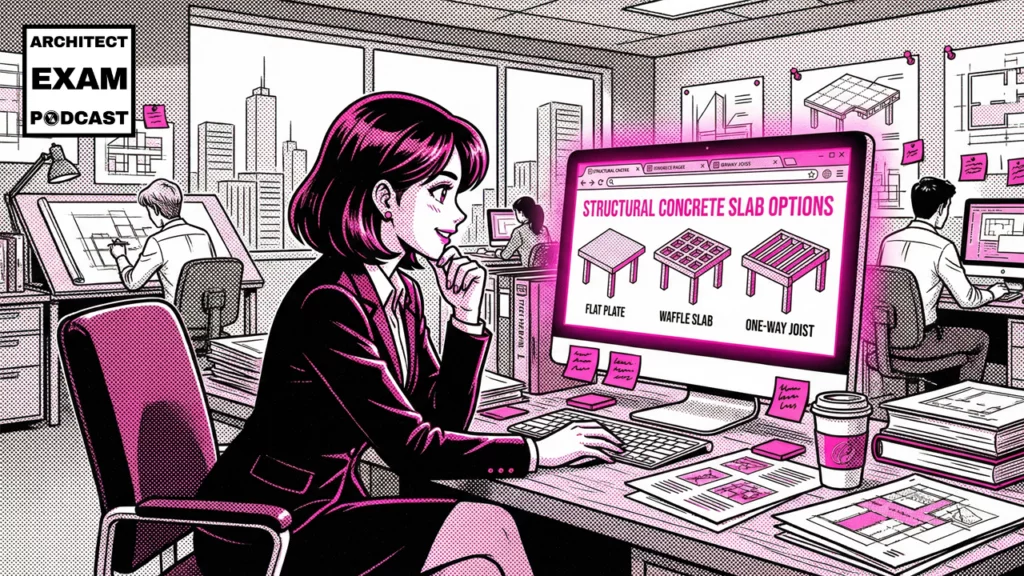
Concrete Slab Types: A Guide to Structural Systems
Understanding concrete slab types is one of those topics that shows up constantly on the ARE and trips up a lot of candidates. This guide breaks down six structural systems, from one-way solid slabs...