

Architect insurance is one of those topics that nobody wants to think about until they absolutely have to. But understanding your coverage (from professional liability and errors and omissions insurance to claims-made policies, tail coverage,...
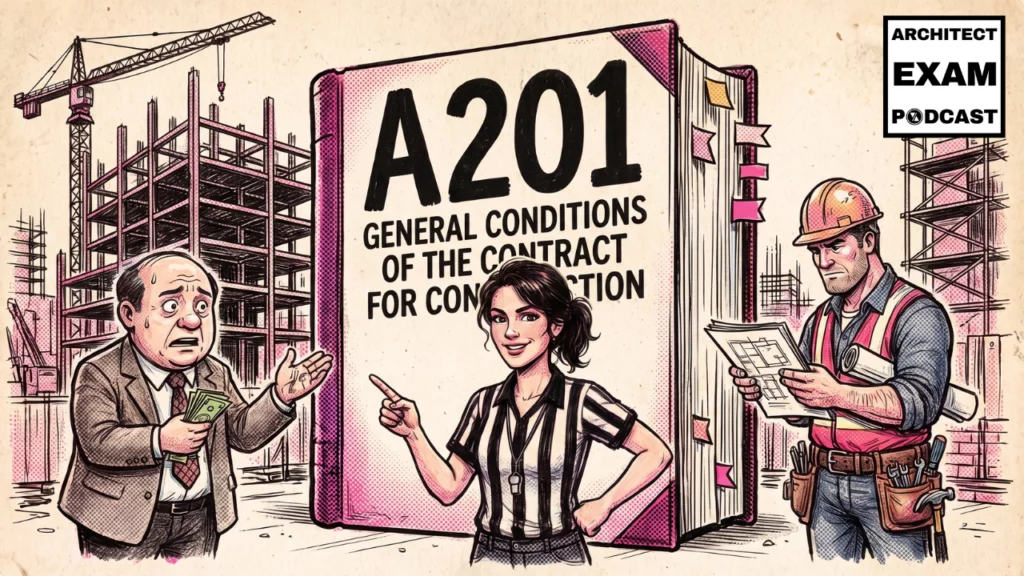
The A201 general conditions govern how construction projects actually work. Fifteen articles covering means and methods, the schedule of values, substantial completion, change orders, and dispute resolution for every party on the project. This...
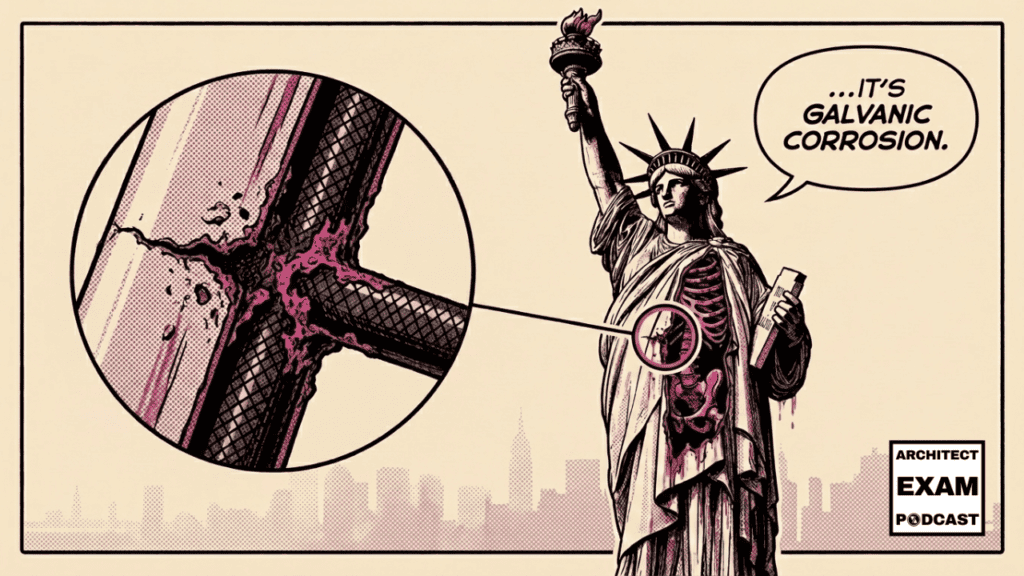
Galvanic corrosion occurs when two dissimilar metals are in contact and moisture completes the circuit. This guide explains how galvanic action works, walks through the galvanic series chart for common architectural metals, and covers...
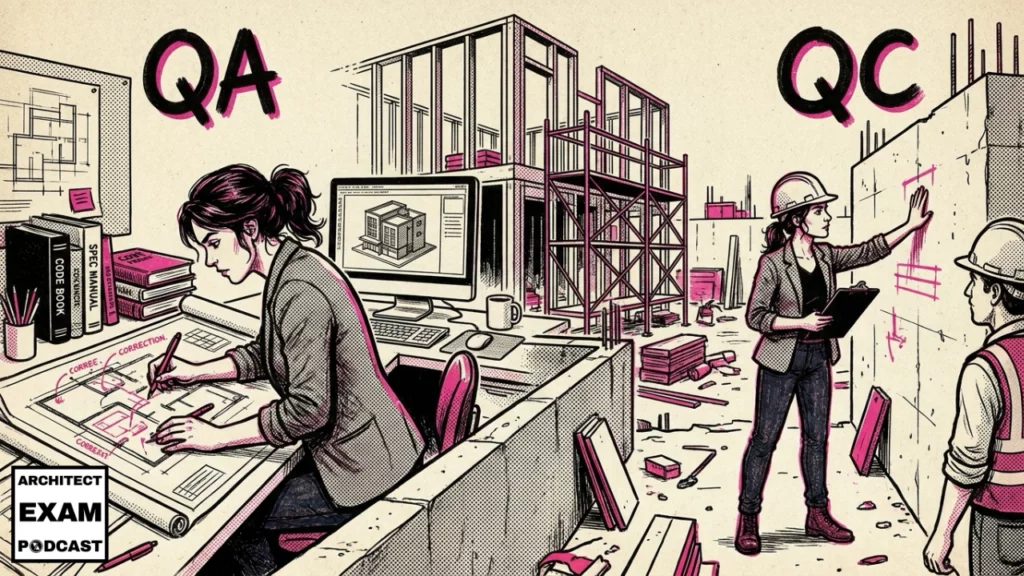
QA vs QC is one of the most commonly confused topics in construction and architecture. Quality assurance (QA) prevents problems before they happen. Quality control (QC) finds and fixes them after the fact. This...
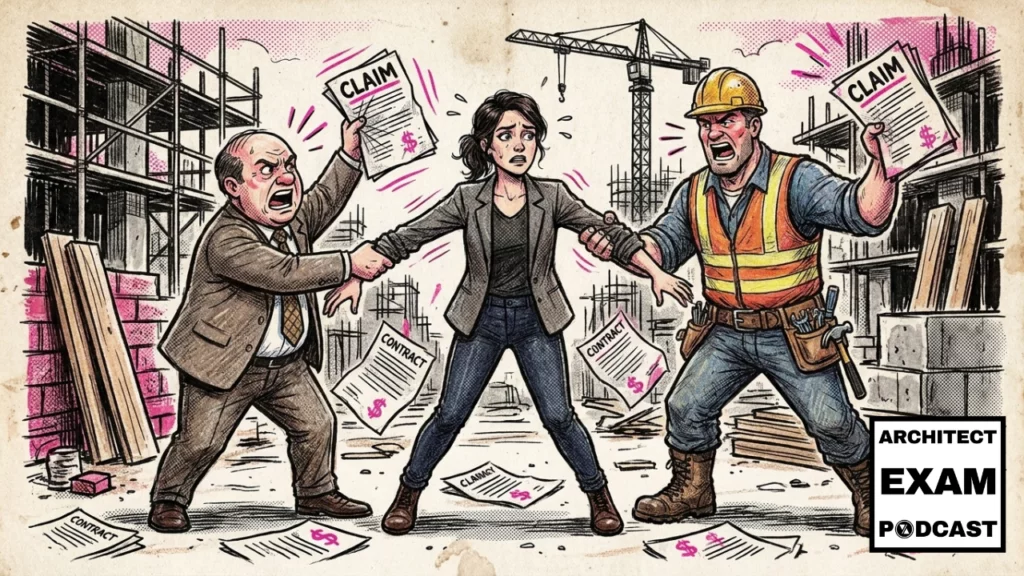
Construction disputes and construction claims are an unavoidable part of working in the AEC industry. Whether you’re managing an active project or preparing for the ARE exam, knowing how to prevent, navigate, and resolve these...
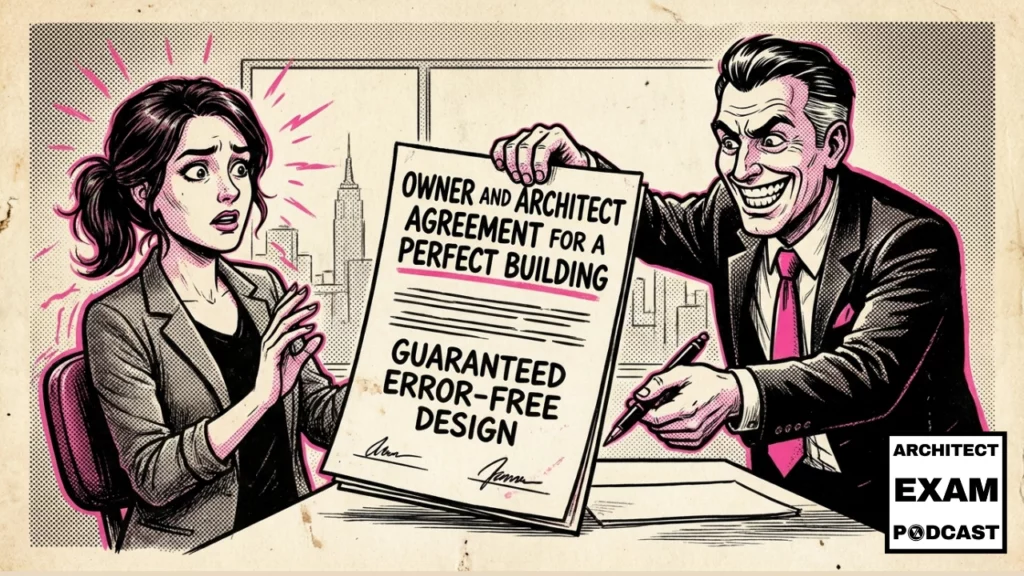
The architect standard of care doesn’t mean perfect work. It means the level of skill and care that a reasonably competent architect would exercise under similar circumstances. If you’re studying for the ARE or...
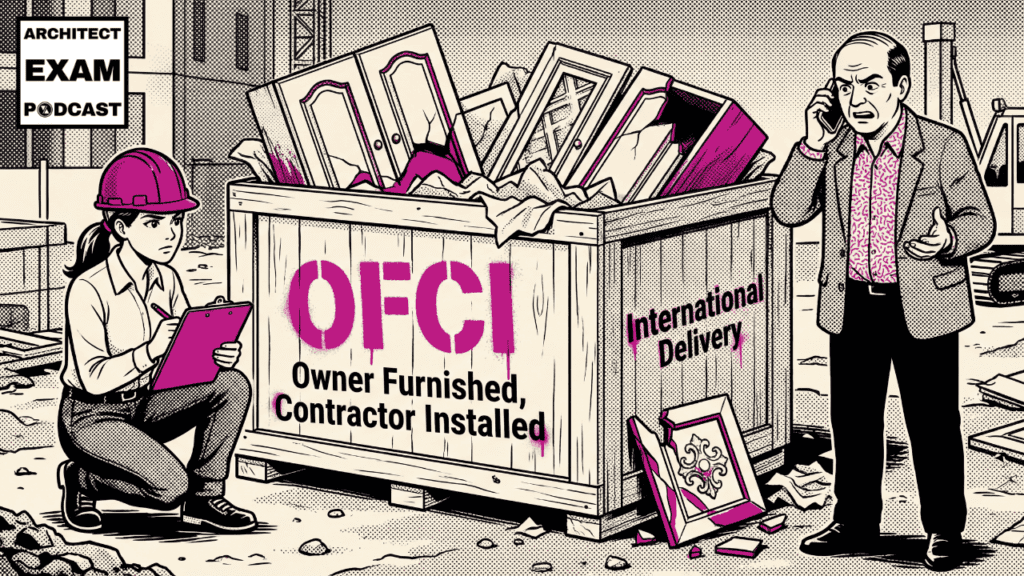
OFCI (owner furnished, contractor installed) is one of the most misunderstood procurement methods in construction. The OFCI meaning is straightforward on the surface, but it often delivers coordination headaches and liability questions that catch...
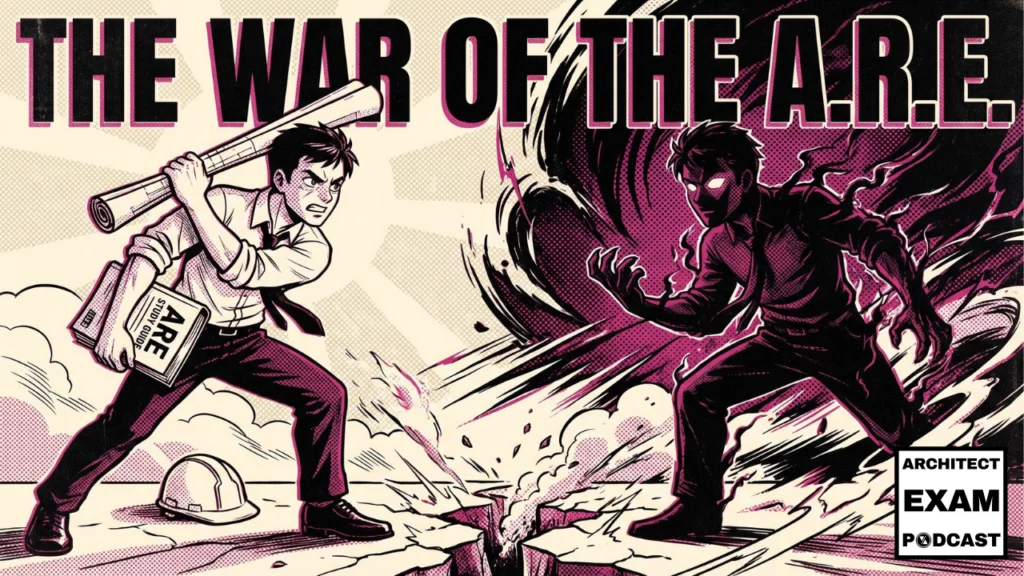
Steven Pressfield’s The War of Art explains why you keep sabotaging your architect exam prep and how to stop. This war of art summary breaks down Pressfield’s concept of Resistance, the invisible force behind...
Learn the difference between owner’s consultants and architect’s consultants, including where the liability falls, what coordination actually requires, and how to protect yourself on the ARE and in practice. This podcast is also available...
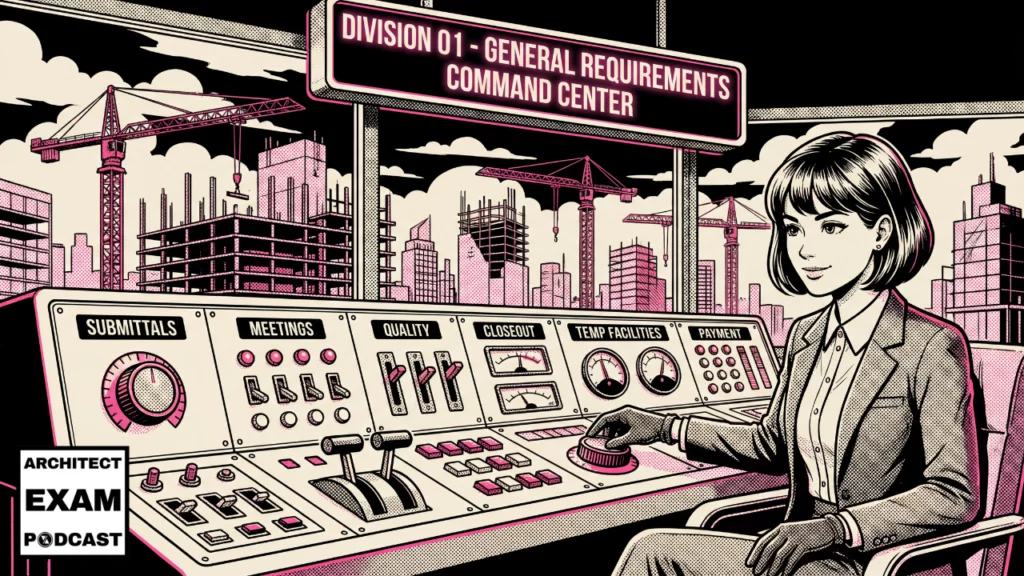
When you open a set of specifications, you probably flip straight to the division you care about. Concrete? Division 03. Steel? Division 05. Finishes? Division 09. But general requirements, the very first division in...
Architectural specification writing is one of the most important skills in practice, and one of the least taught. Despite being legal contract documents that carry the same weight as your drawings, construction specifications are often...
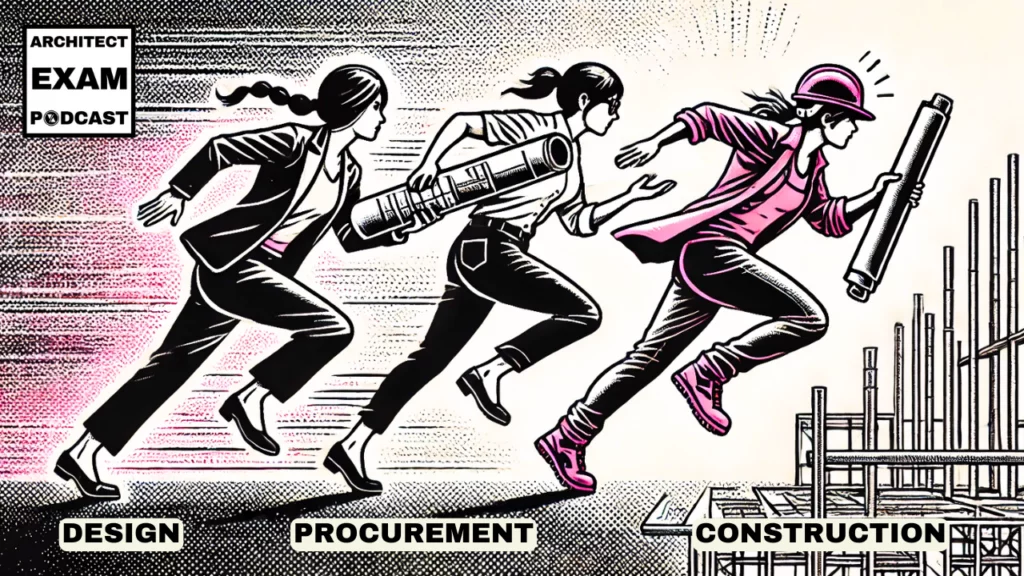
The construction bidding process on public projects follows a strict, regulated path from completed drawings to breaking ground. This guide walks through all eight stages of the construction bid process, covering bid preparation, sealed bidding,...

Construction cost estimates are essential tools that help architects provide accurate budget guidance and make smart design decisions throughout every project phase. These estimates evolve from broad conceptual estimates with 25-50% accuracy to precise...
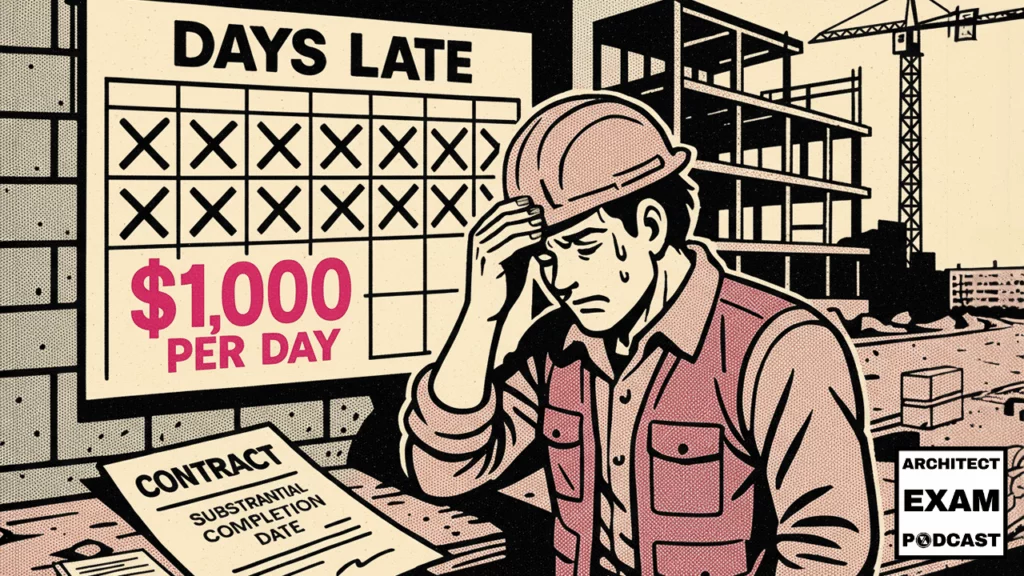
Understanding liquidated damages is critical for architects, contractors, and ARE candidates preparing for the architect registration examination. This comprehensive guide covers the liquidated damages definition, how a liquidated damages clause works, where they appear in...

Understanding “no exceptions taken” and mastering construction submittals is essential for ARE success and professional practice. This comprehensive guide explains the submittal process, types, and review actions that translate design intent into construction reality....
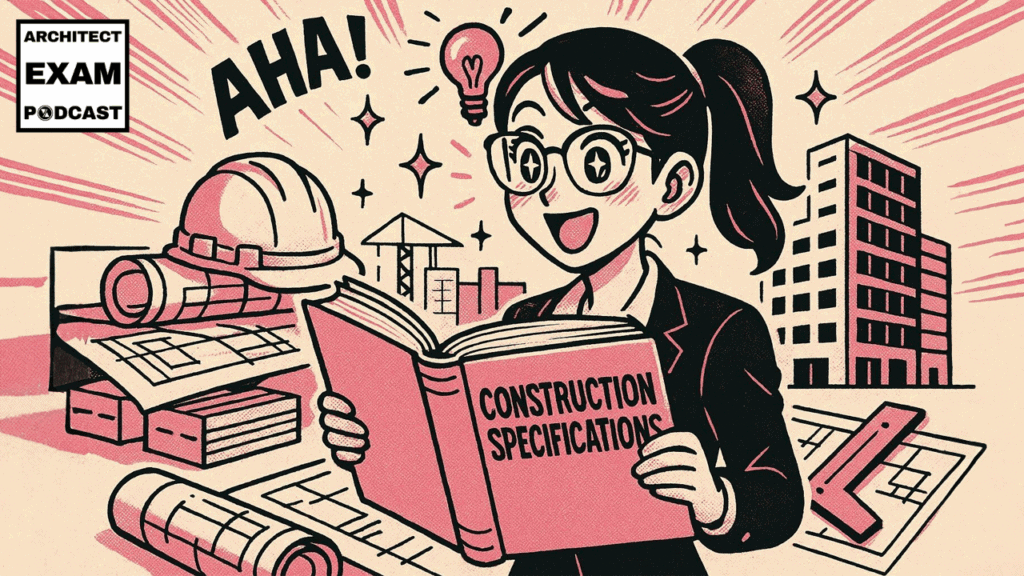
CSI® MasterFormat® is the construction industry’s standardized system for organizing specifications and project information. This comprehensive guide breaks down all 50 CSI MasterFormat divisions, explains the numbering system and three-part specification format, compares MasterFormat...
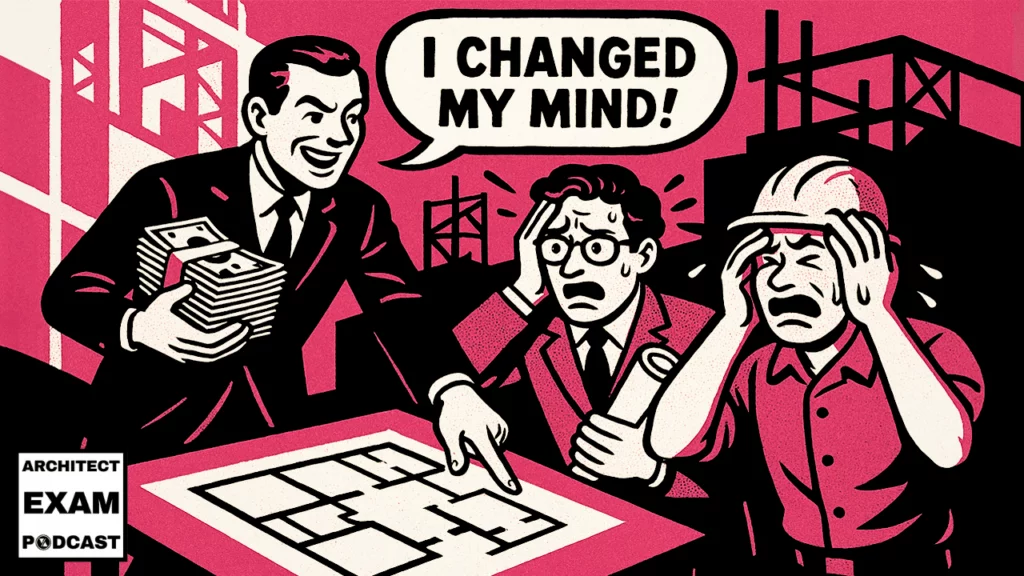
Understanding what is a change order in construction is essential for every architect, contractor, and project manager. Construction change orders are formal contract amendments that require agreement from all three parties, and they always cost...
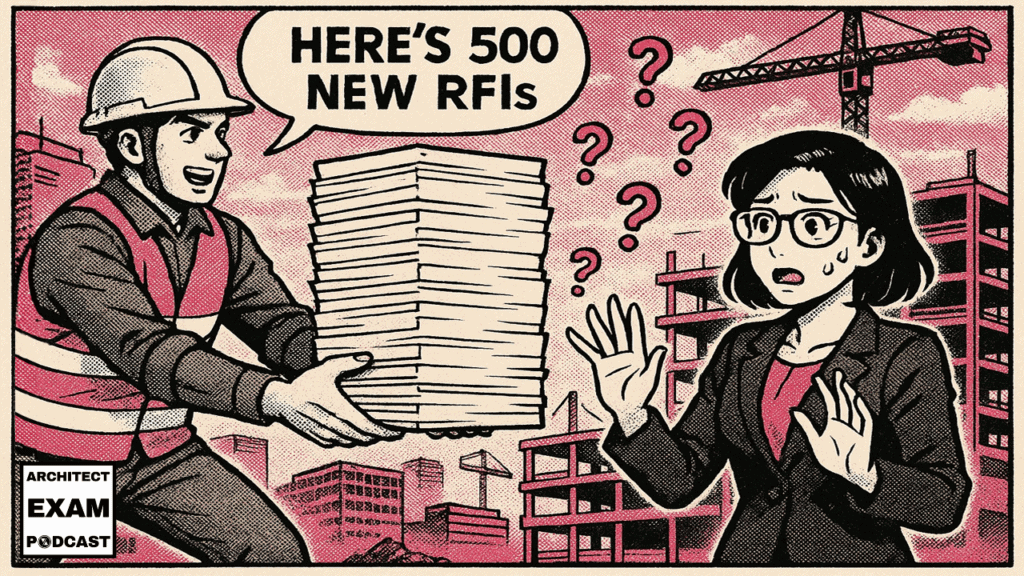
The RFI meaning in construction is straightforward: it stands for Request for Information. An RFI in construction is a formal document used during the building process to clarify unclear, missing, or conflicting information in...

The AIA C401 Standard Form of Agreement Between Architect and Consultant establishes clear relationships, communication protocols, and liability protection between architects and their design consultants. This essential AIA contract document protects all parties through...

Understanding architect fees and fee structures is crucial for every architecture professional and ARE candidate. This comprehensive guide breaks down typical architect fees, architectural fees per square foot, hourly rates, and contractor pricing methods...