
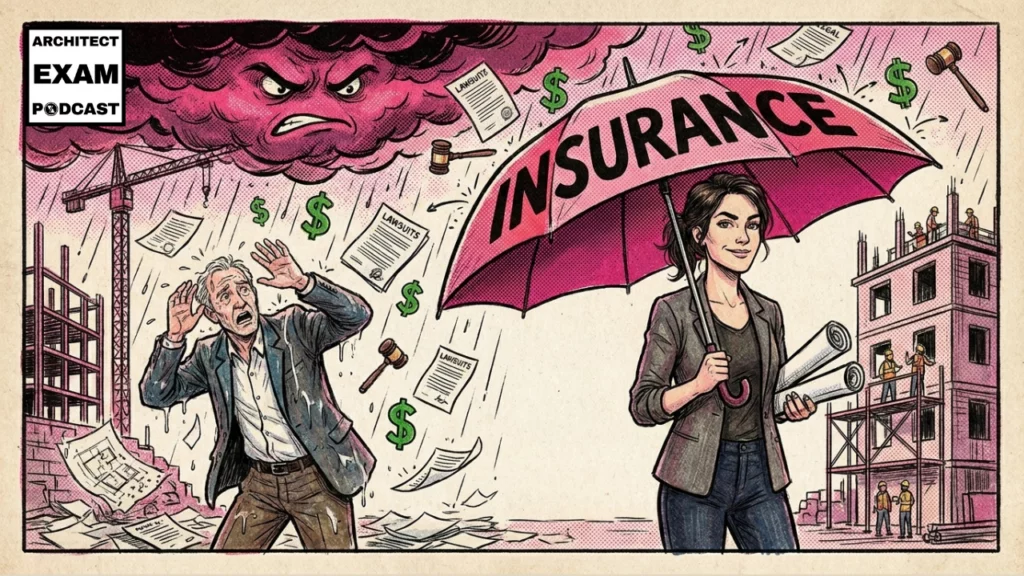
Architect insurance is one of those topics that nobody wants to think about until they absolutely have to. But understanding your coverage (from professional liability and errors and omissions insurance to claims-made policies, tail coverage,...
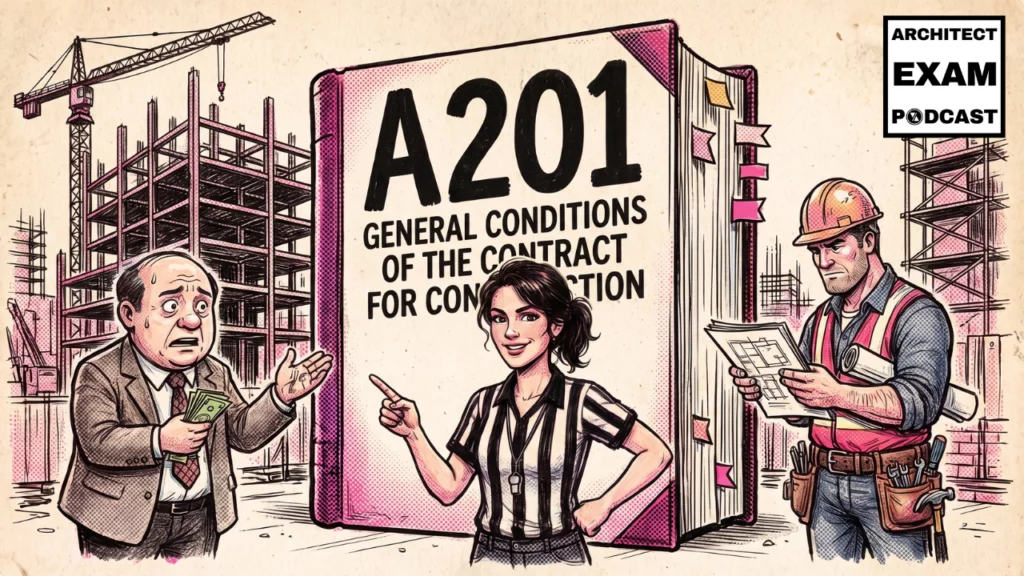
The A201 general conditions govern how construction projects actually work. Fifteen articles covering means and methods, the schedule of values, substantial completion, change orders, and dispute resolution for every party on the project. This...
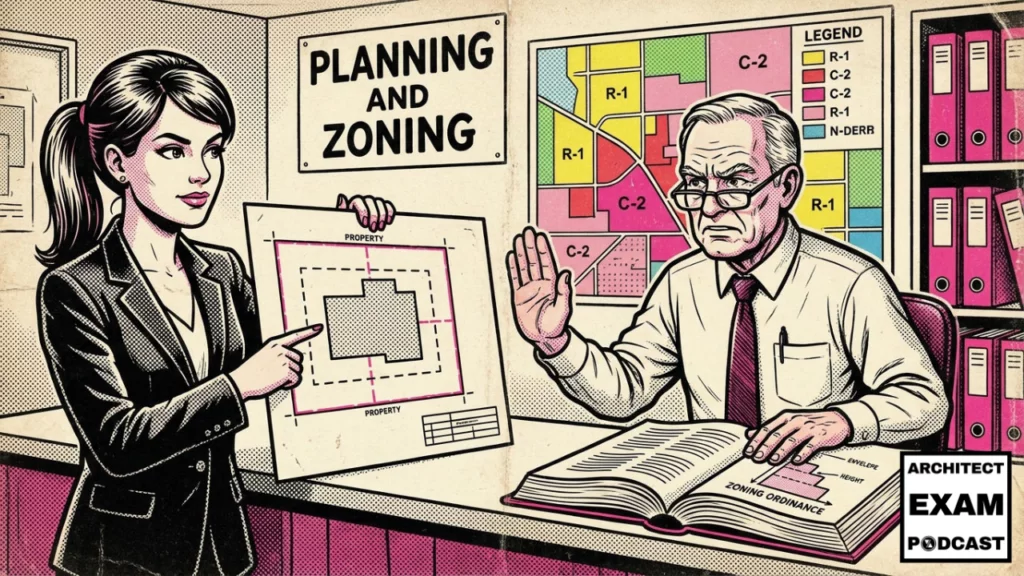
Zoning controls what you can build on a piece of land, how big it can be, and where it can sit on the site. This guide covers setbacks, easements, floor area ratio, lot coverage,...
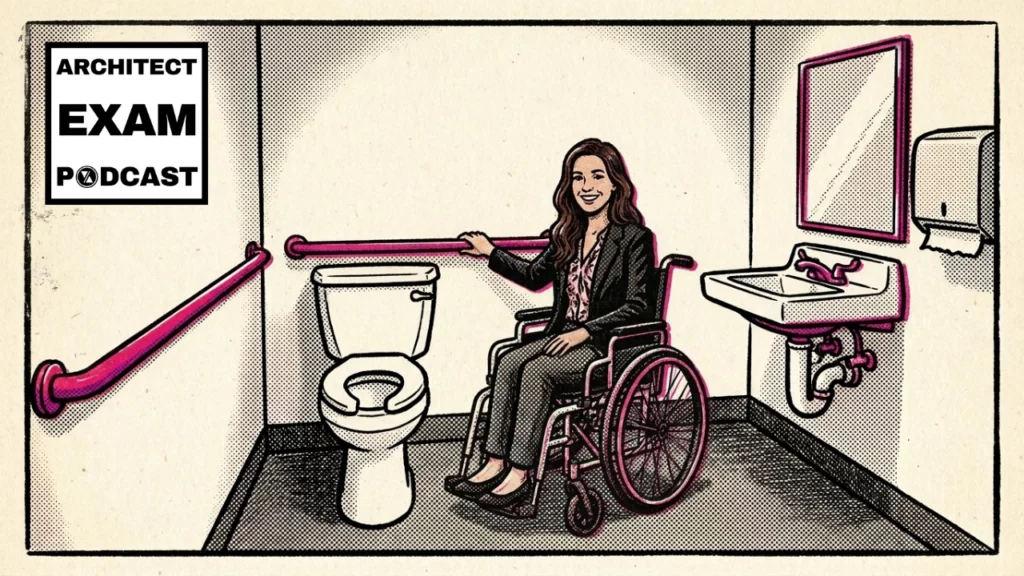
An ADA bathroom layout requires specific dimensions for turning space, toilet clearance, grab bar placement, sink height, and fixture reach ranges. But the numbers only make sense when you understand the physical experience behind...
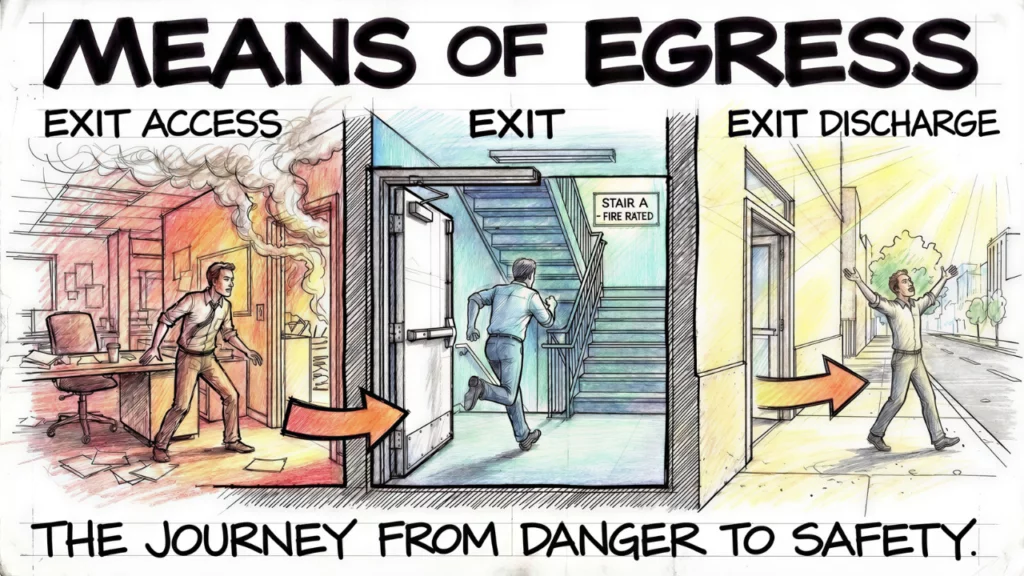
The difference between life and death during a building emergency often comes down to one thing: means of egress. These critical escape pathways aren’t arbitrary rules imposed by building officials; rather, they’re the result...
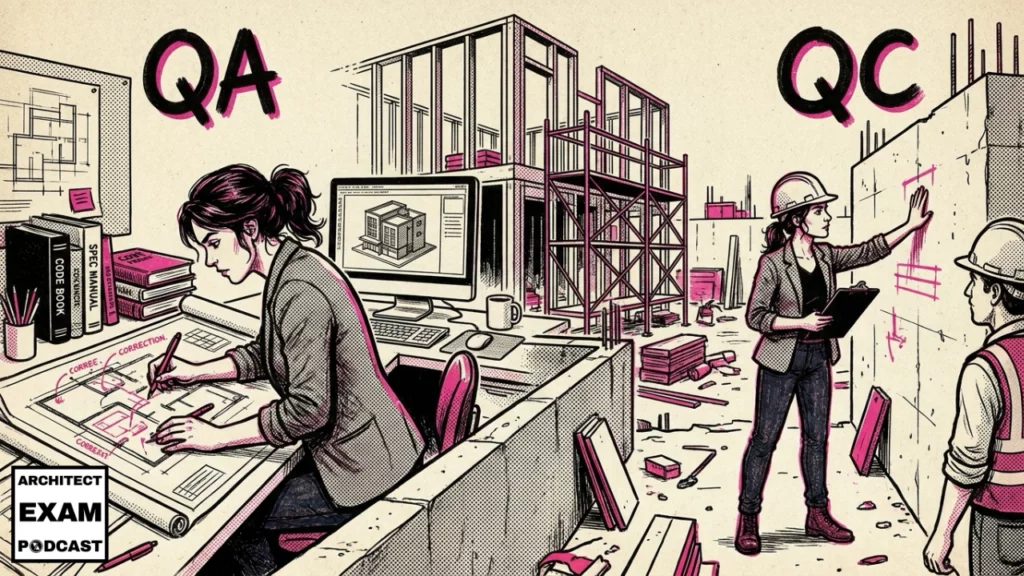
QA vs QC is one of the most commonly confused topics in construction and architecture. Quality assurance (QA) prevents problems before they happen. Quality control (QC) finds and fixes them after the fact. This...
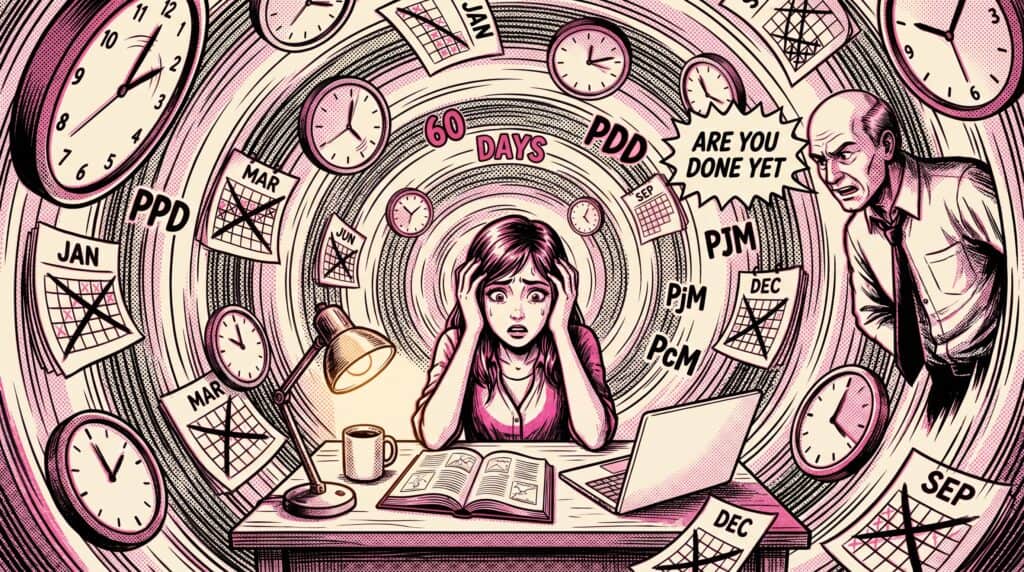
Study motivation is the single biggest barrier for ARE candidates who have the books, the courses, and the study plan but can’t seem to open any of them. If exam stress and decision fatigue...
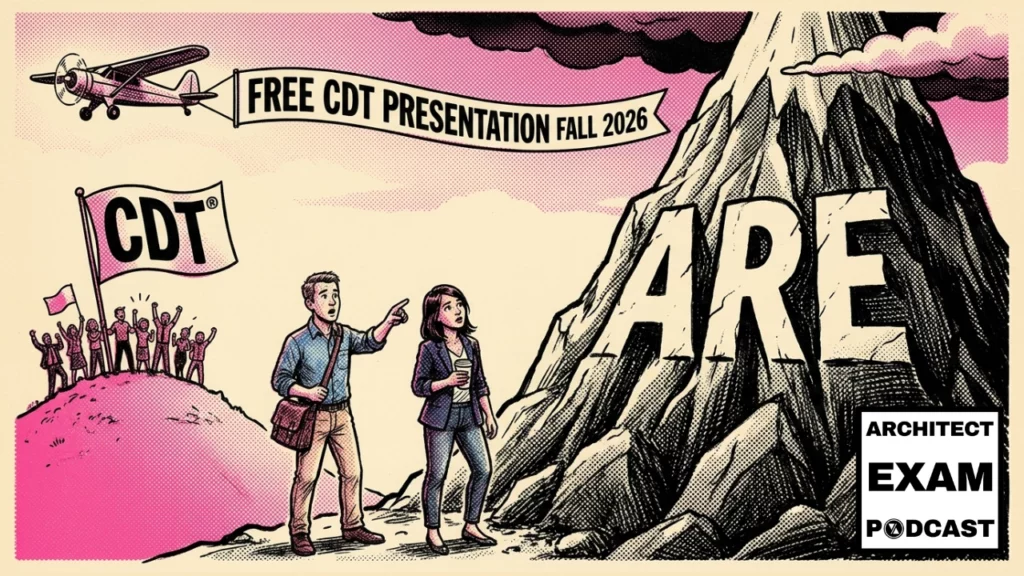
Join Michael and Emily for a free CDT® certification presentation on August 6, 2026. Learn how CDT certification fits into your ARE or NCIDQ prep, the full CSI® certification landscape, the Fall 2026 exam schedule,...
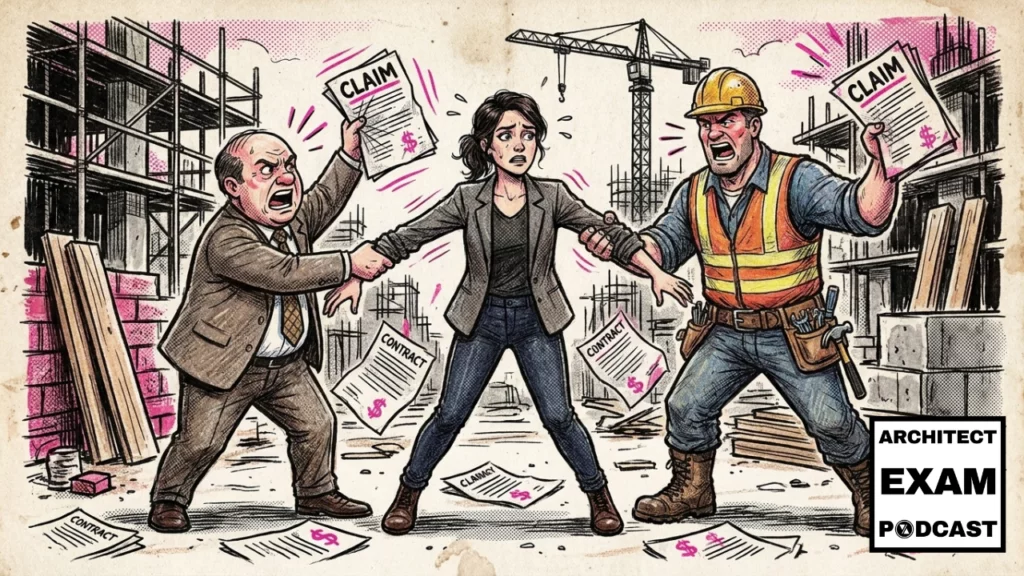
Construction disputes and construction claims are an unavoidable part of working in the AEC industry. Whether you’re managing an active project or preparing for the ARE exam, knowing how to prevent, navigate, and resolve these...
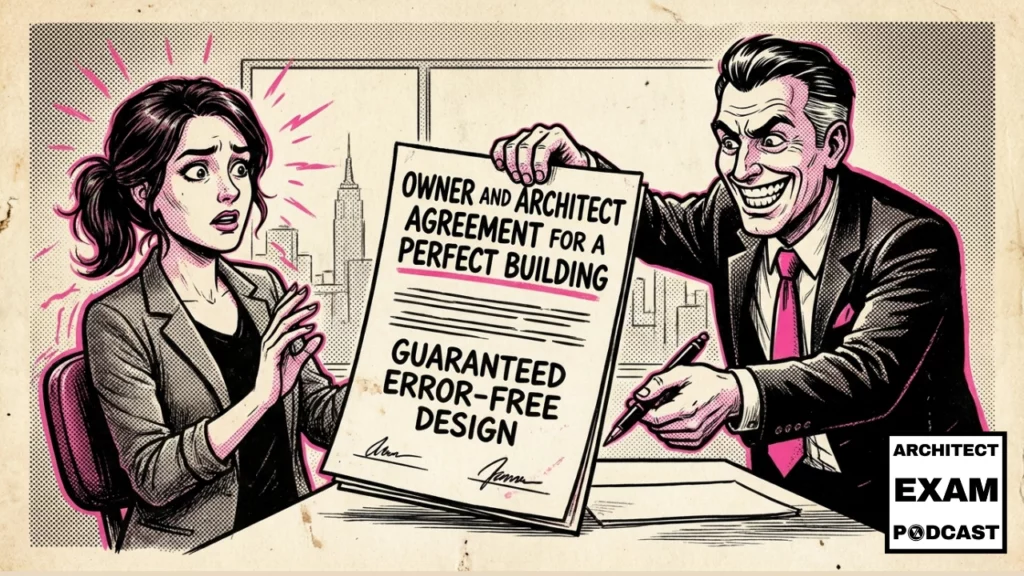
The architect standard of care doesn’t mean perfect work. It means the level of skill and care that a reasonably competent architect would exercise under similar circumstances. If you’re studying for the ARE or...
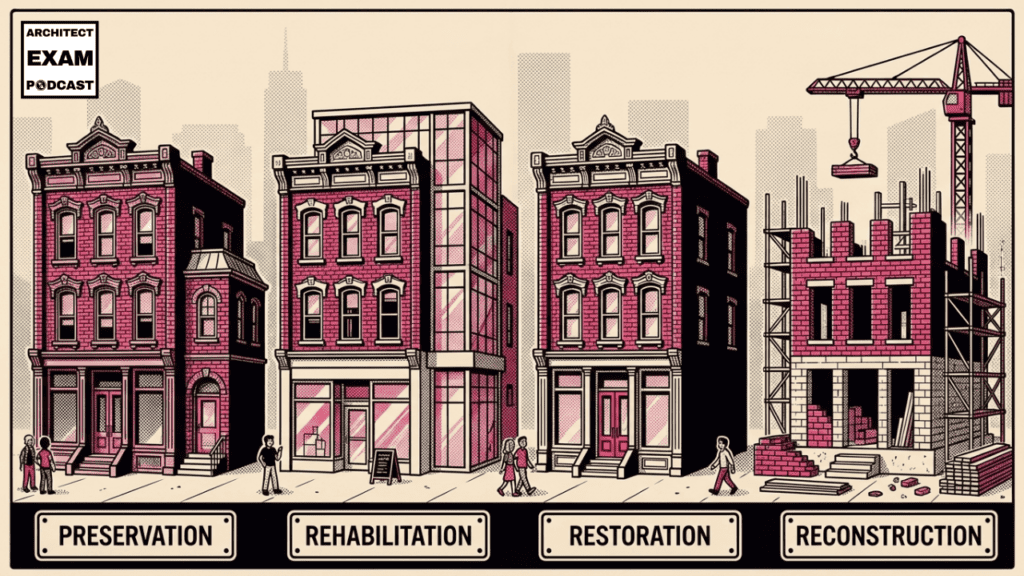
Historic preservation defines four distinct approaches to working on historic buildings, and most people confuse at least two of them. A design team once spent weeks building a restoration plan for a beautiful old...

There is an architect at your firm making $50 an hour. But the client gets billed $150 for that same hour. Where does that $100 gap go? And what happens to your firm financially...
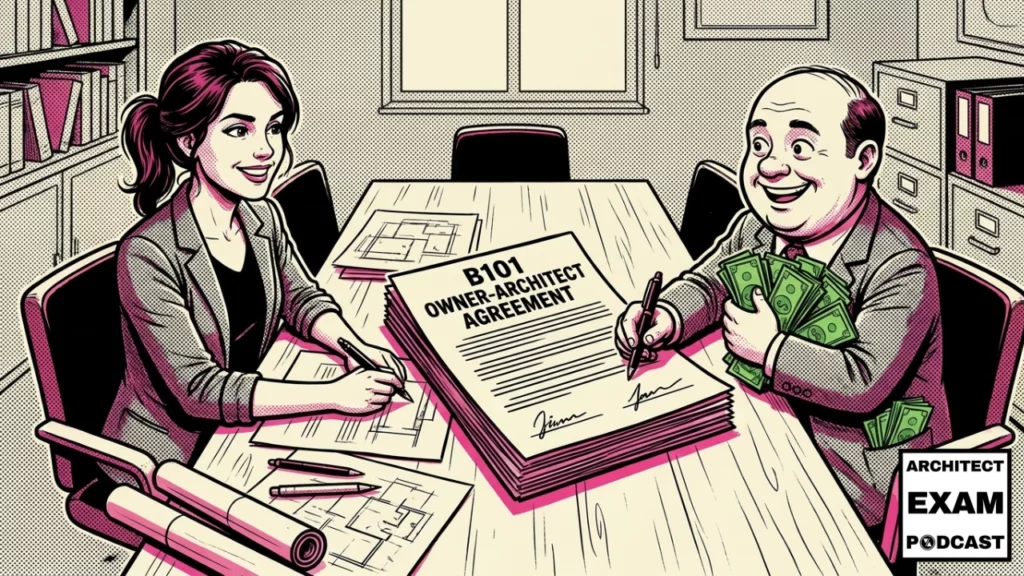
Most people working in architecture have worked under an AIA B101 for years without ever actually reading it. The contract gets signed, it sits in a drawer somewhere, and the entire team works under...
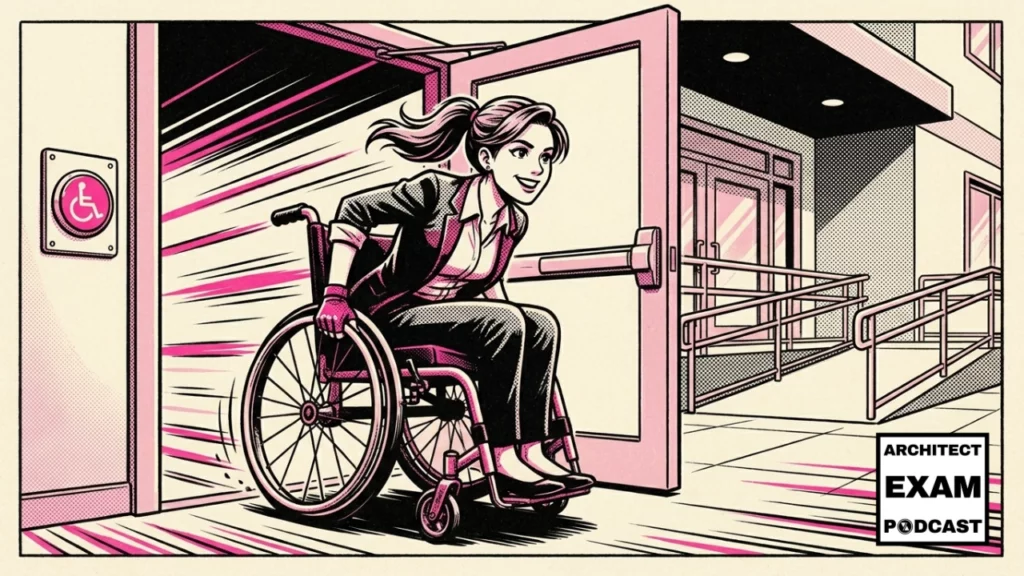
Years ago, I spent an entire day in a wheelchair. Not because I needed one, but because my professor told me to. I could dimension every ADA door clearance on a floor plan, but...
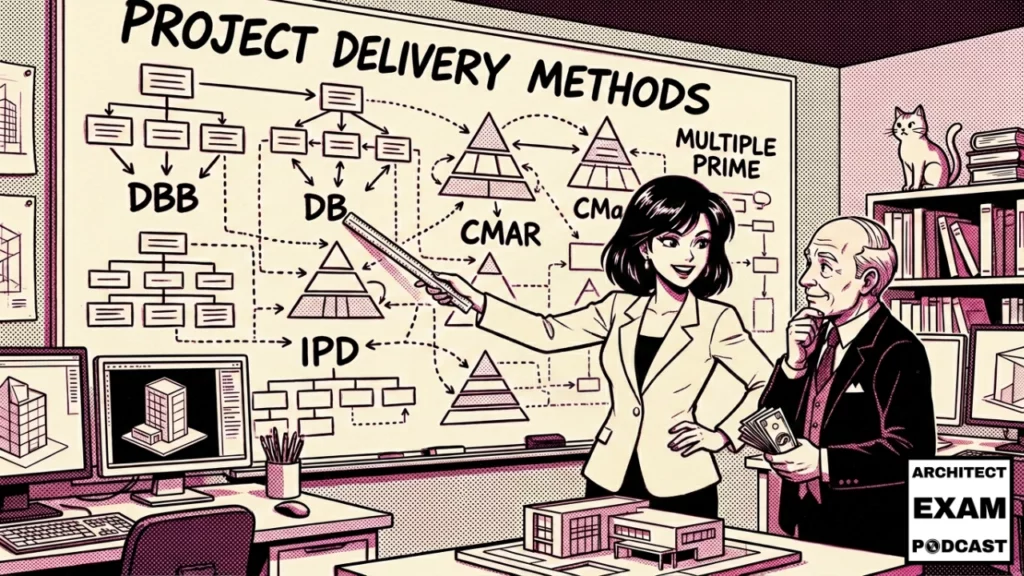
Project delivery methods define the contractual relationships between the owner, the architect, and the contractor on every construction project. This post breaks down all the major construction delivery methods, from Design-Bid-Build to CMAR to...
There’s a lot of bad information out there about how to study for the architect exam. Most of it is costing people time, money, and years of their career. Get-rich-quick promises from exam prep companies,...
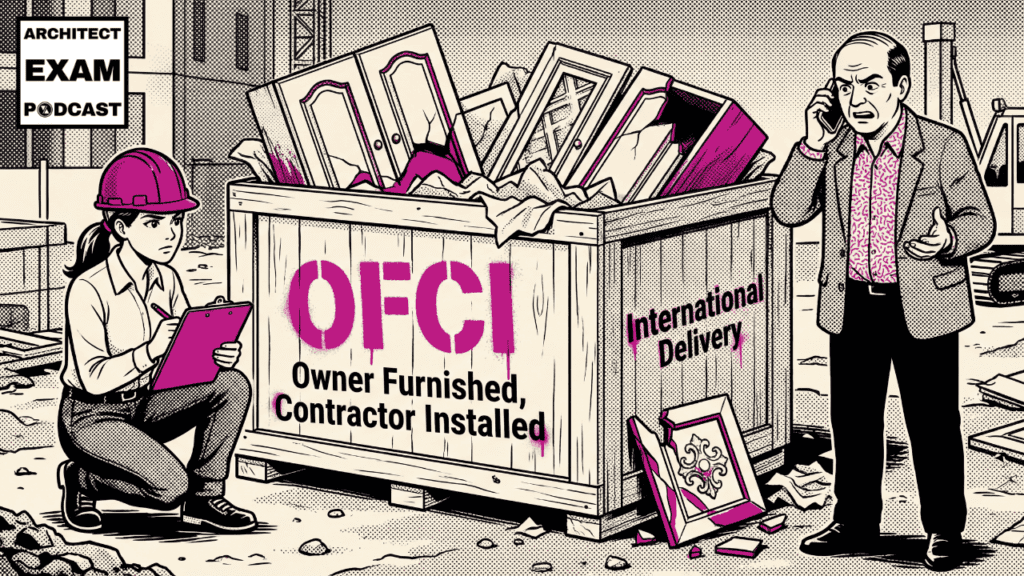
OFCI (owner furnished, contractor installed) is one of the most misunderstood procurement methods in construction. The OFCI meaning is straightforward on the surface, but it often delivers coordination headaches and liability questions that catch...
Steven Pressfield’s The War of Art explains why you keep sabotaging your architect exam prep and how to stop. This war of art summary breaks down Pressfield’s concept of Resistance, the invisible force behind...
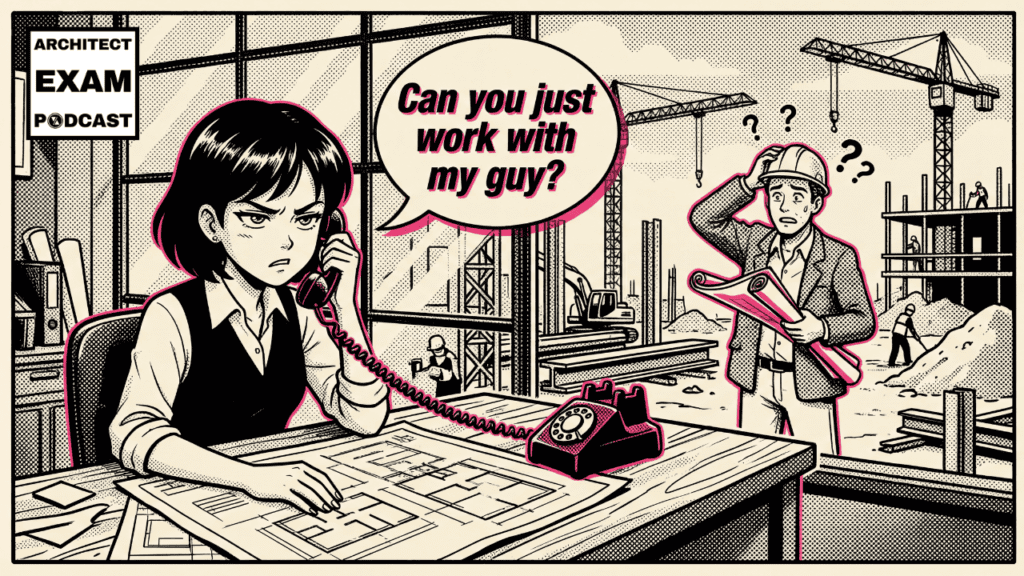
Learn the difference between owner’s consultants and architect’s consultants, including where the liability falls, what coordination actually requires, and how to protect yourself on the ARE and in practice. This podcast is also available...
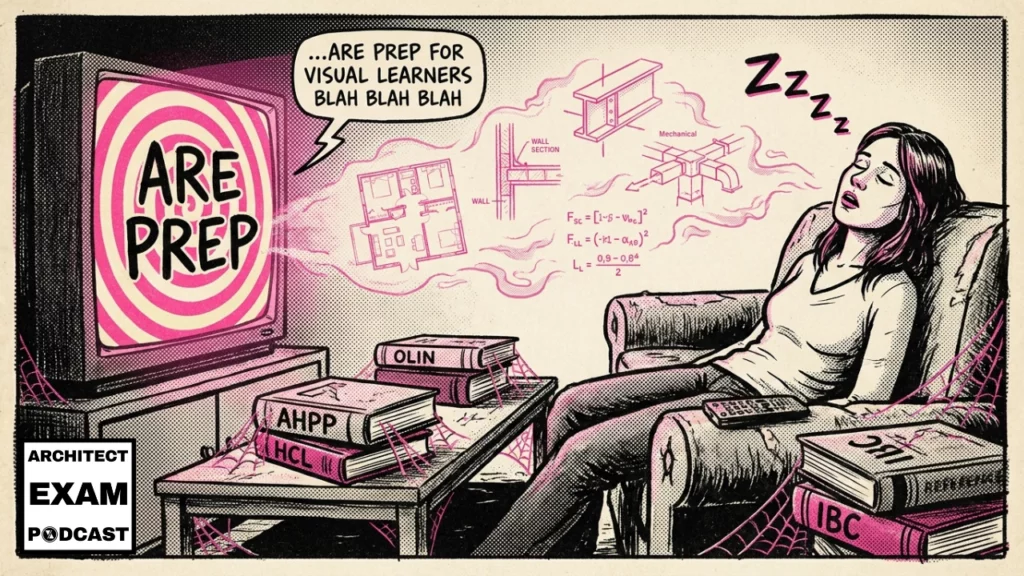
The visual learner myth has convinced thousands of ARE candidates that watching videos is enough to pass the architect exam. It’s not. This post breaks down the learning pyramid, explains the difference between active...