
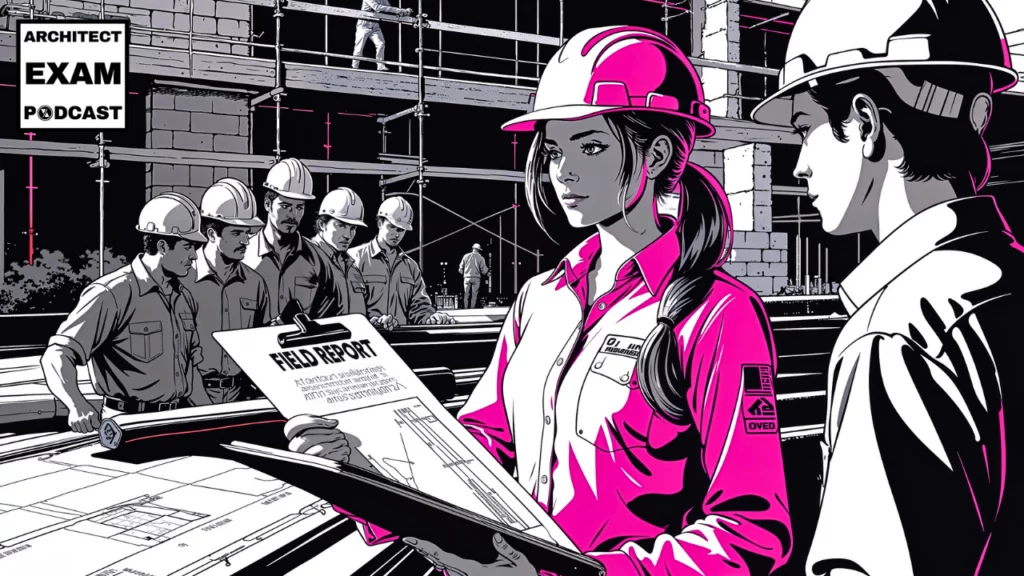
Construction observation is the heart of the architect’s role during construction. It’s where you shift from designer to project advocate, visiting the site, evaluating the work, and making sure what’s being built matches what was...
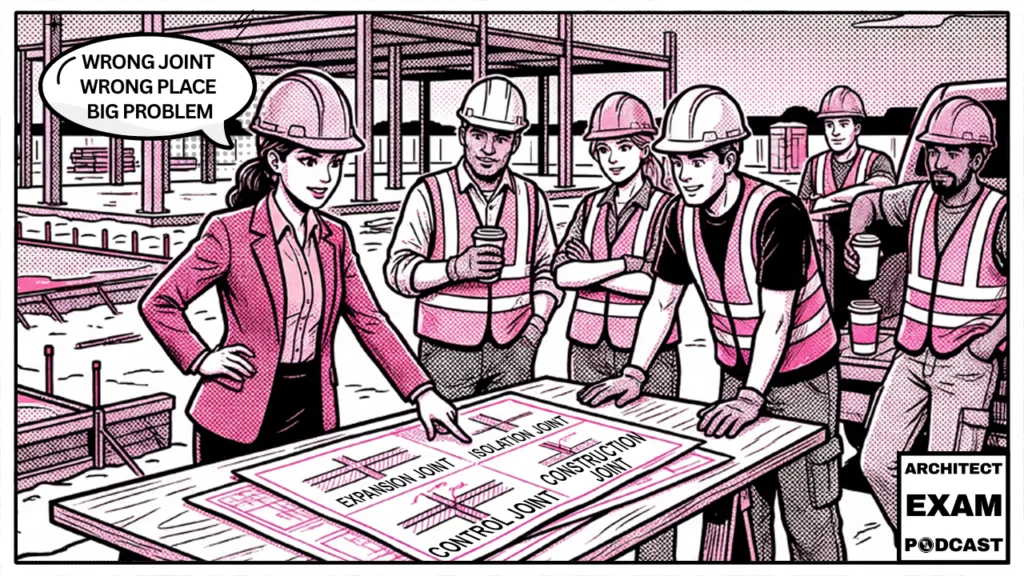
Understanding the difference between a control joint vs expansion joint is one of those things that trips up almost everyone. This guide breaks down all four joint types, expansion joints, control joints, isolation joints,...

Choosing the right ARE 5.0 test order can save you hundreds of hours and thousands of dollars in retakes. The sequence you choose isn’t just about convenience – it’s about building the foundation knowledge that...

Most ARE candidates jump straight into studying PcM, PjM, and CE without ever stopping to ask, “What is each of these exams actually about?” This guide breaks down the three pro practice exams on...

Building an ARE study schedule that actually works is one of the hardest parts of the licensing process, especially when most advice out there ignores the reality of what it takes. After helping hundreds...
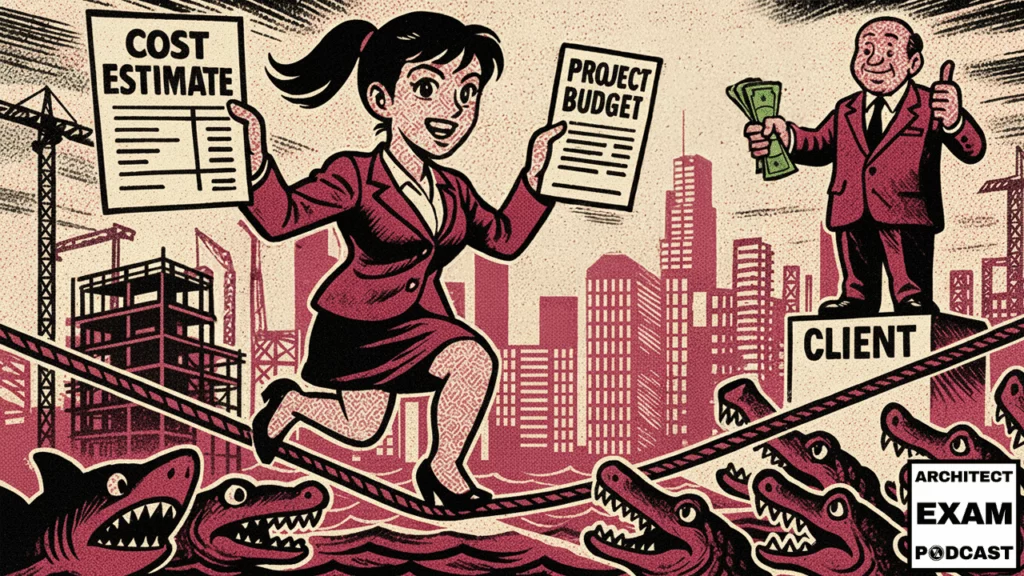
Construction cost estimates are essential tools that help architects provide accurate budget guidance and make smart design decisions throughout every project phase. These estimates evolve from broad conceptual estimates with 25-50% accuracy to precise...

Substantial completion is the most important milestone in the life of a construction project, and most people studying for the ARE don’t give it enough attention. It marks the moment when the owner can legally...

Construction administration is the phase of a project where the architect shifts from designer to administrator, overseeing the construction process to make sure the project gets built according to the contract documents. This guide...
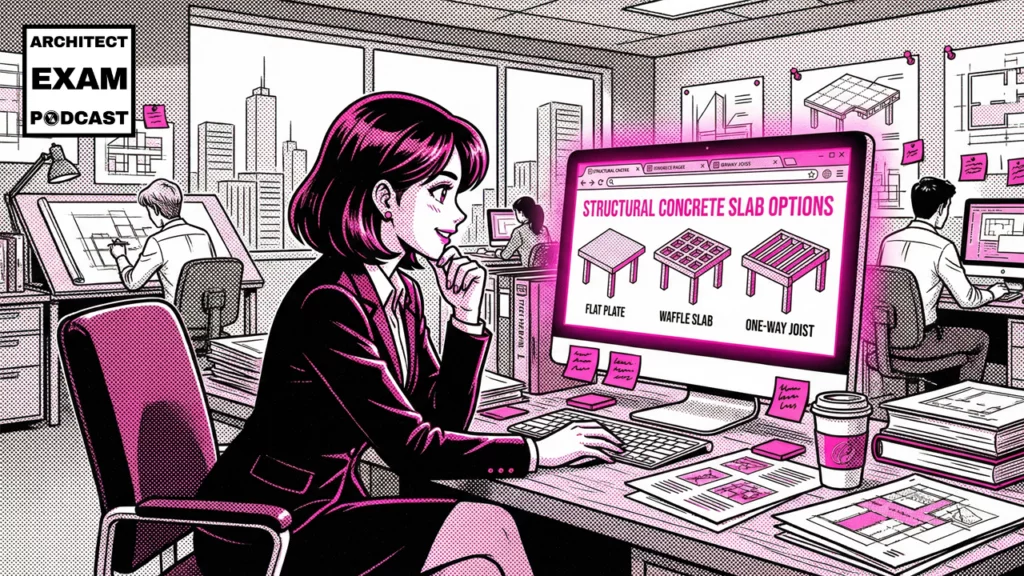
Understanding concrete slab types is one of those topics that shows up constantly on the ARE and trips up a lot of candidates. This guide breaks down six structural systems, from one-way solid slabs...

Test taking strategies are the difference between candidates who walk out of the testing center confident and candidates who studied just as hard but felt blindsided by how the questions were worded. If you’re...
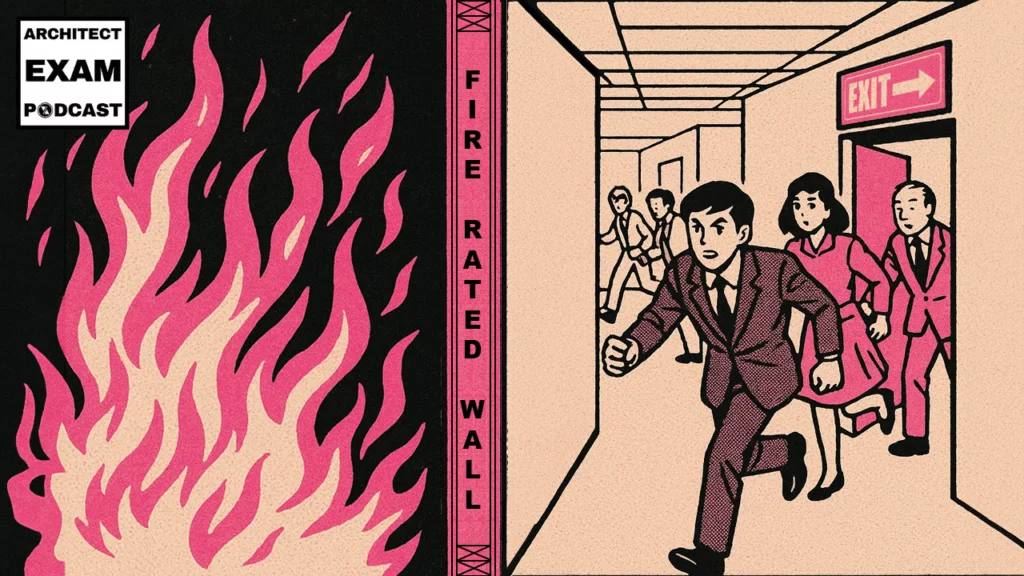
Fire rated walls are tested and certified wall assemblies specifically designed to resist fire and heat for a certain time period. Built with fire rated drywall like Type X gypsum board, these fire rated wall...

Understanding the different types of elevators is crucial for architects planning vertical transportation systems. This comprehensive guide covers hydraulic, traction, and machine room-less elevators with selection criteria, components, and code requirements essential for ARE...
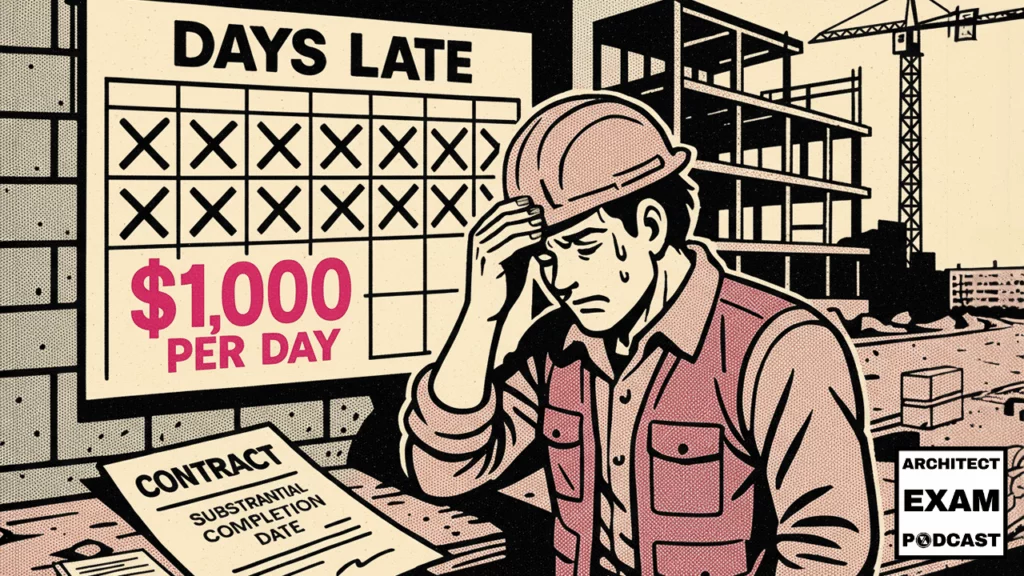
Understanding liquidated damages is critical for architects, contractors, and ARE candidates preparing for the architect registration examination. This comprehensive guide covers the liquidated damages definition, how a liquidated damages clause works, where they appear in...

Understanding “no exceptions taken” and mastering construction submittals is essential for ARE success and professional practice. This comprehensive guide explains the submittal process, types, and review actions that translate design intent into construction reality....
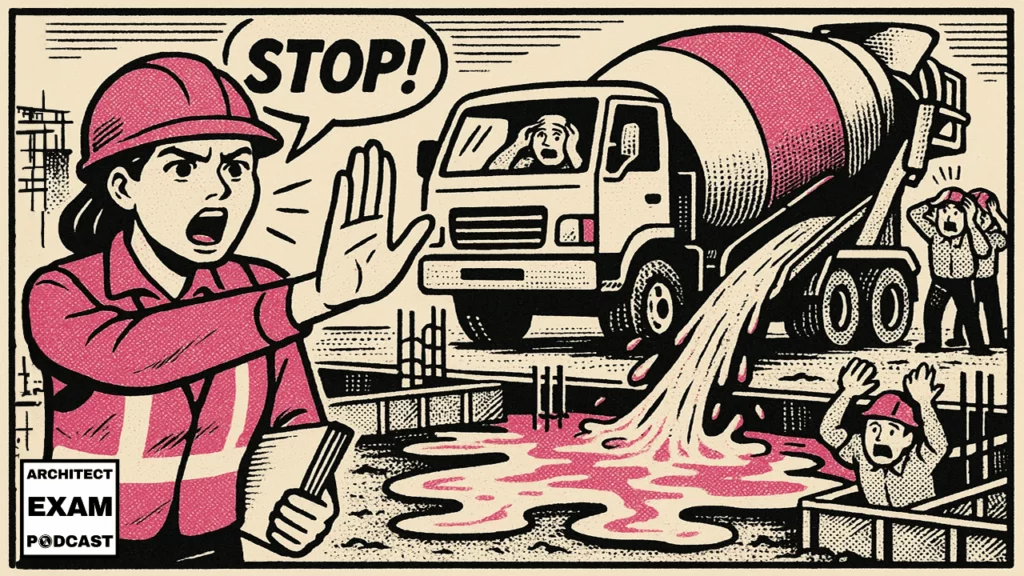
Cast-in-place concrete creates monolithic structural systems by pouring a concrete mix into formwork on-site. This guide covers span limitations, rebar sizing, construction defects like honeycombing, and when to choose concrete over steel or pre-tensioned...
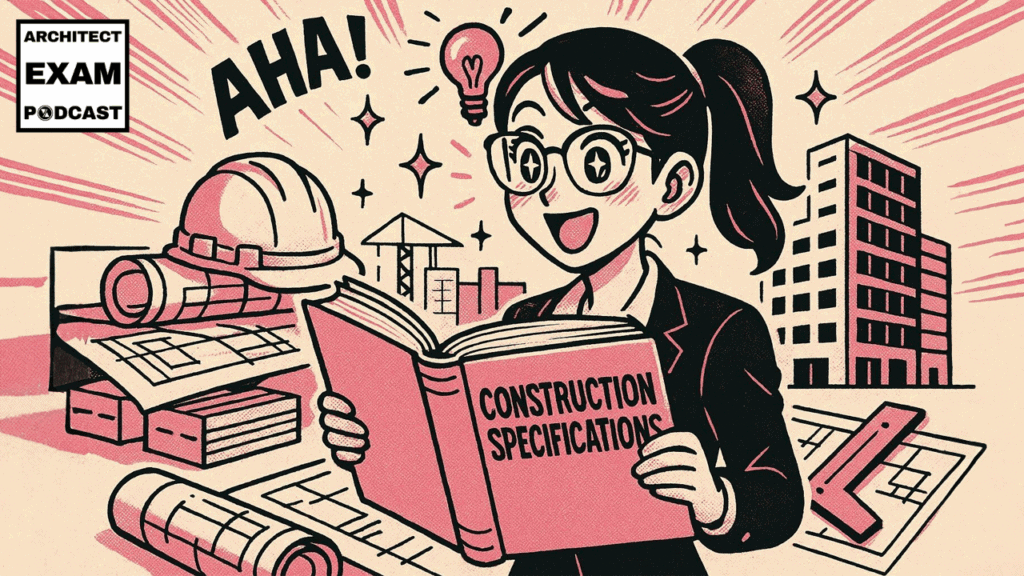
CSI® MasterFormat® is the construction industry’s standardized system for organizing specifications and project information. This comprehensive guide breaks down all 50 CSI MasterFormat divisions, explains the numbering system and three-part specification format, compares MasterFormat...
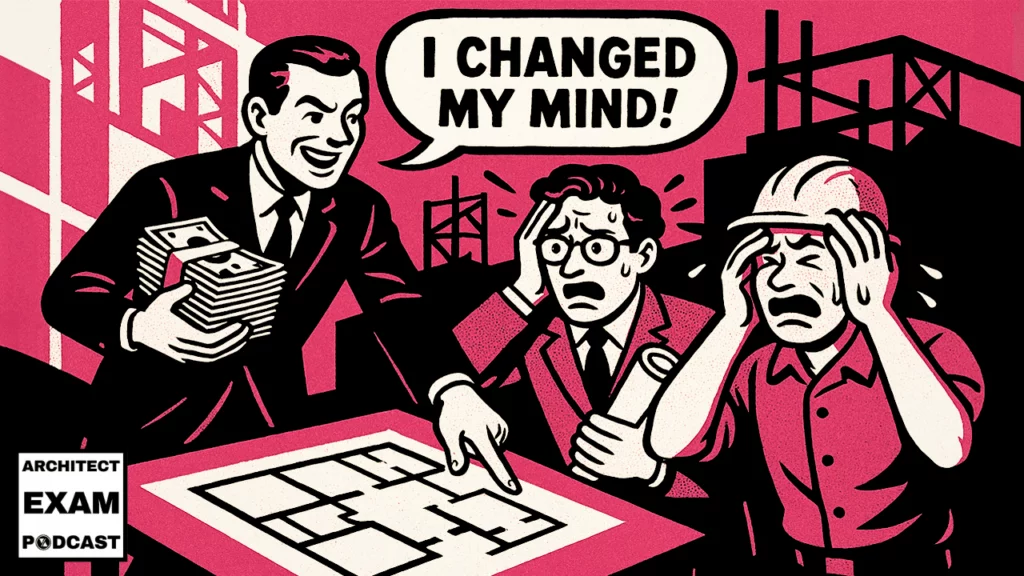
Understanding what is a change order in construction is essential for every architect, contractor, and project manager. Construction change orders are formal contract amendments that require agreement from all three parties, and they always cost...
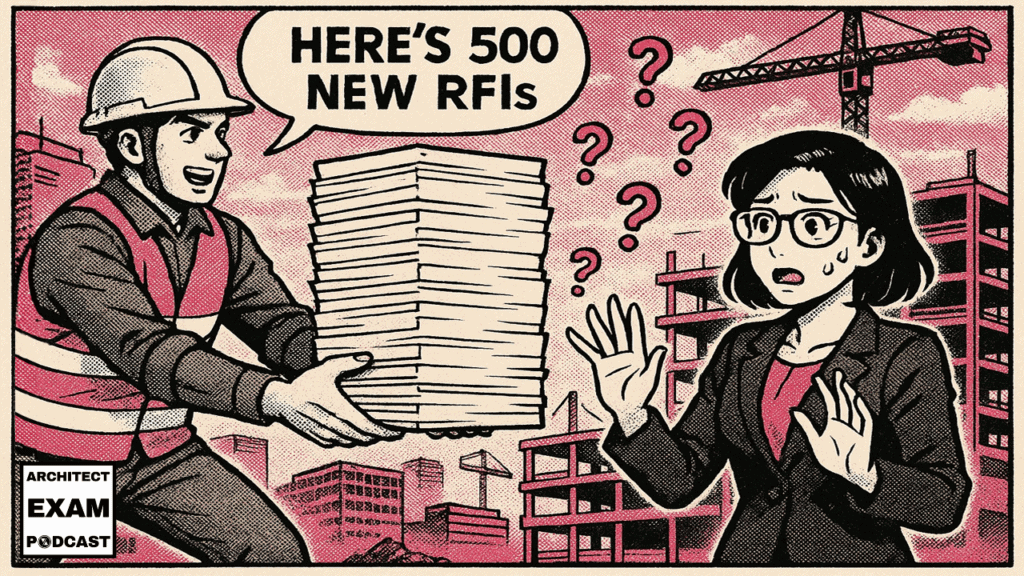
The RFI meaning in construction is straightforward: it stands for Request for Information. An RFI in construction is a formal document used during the building process to clarify unclear, missing, or conflicting information in...
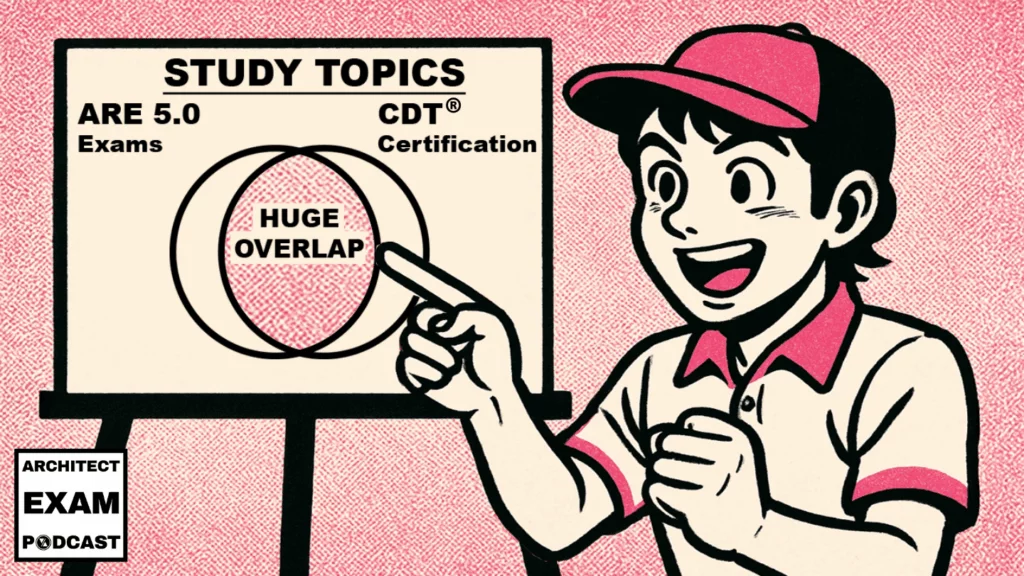
Discover why CDT® certification is becoming the strategic advantage for ARE candidates seeking to accelerate their licensing journey. This industry-recognized credential fills critical knowledge gaps, builds professional confidence, and provides the comprehensive project delivery understanding...

The AIA C401 Standard Form of Agreement Between Architect and Consultant establishes clear relationships, communication protocols, and liability protection between architects and their design consultants. This essential AIA contract document protects all parties through...