
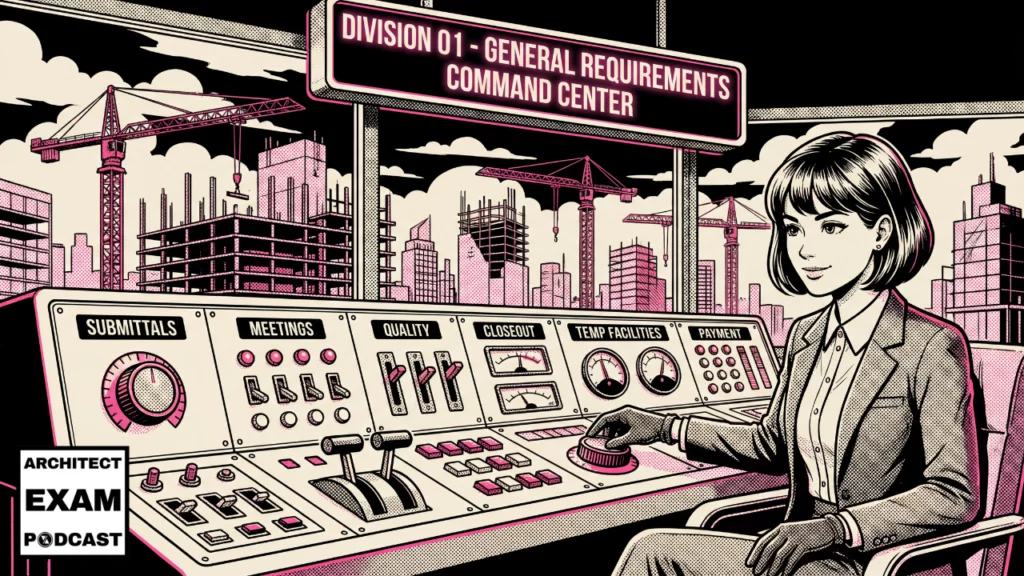
When you open a set of specifications, you probably flip straight to the division you care about. Concrete? Division 03. Steel? Division 05. Finishes? Division 09. But general requirements, the very first division in...
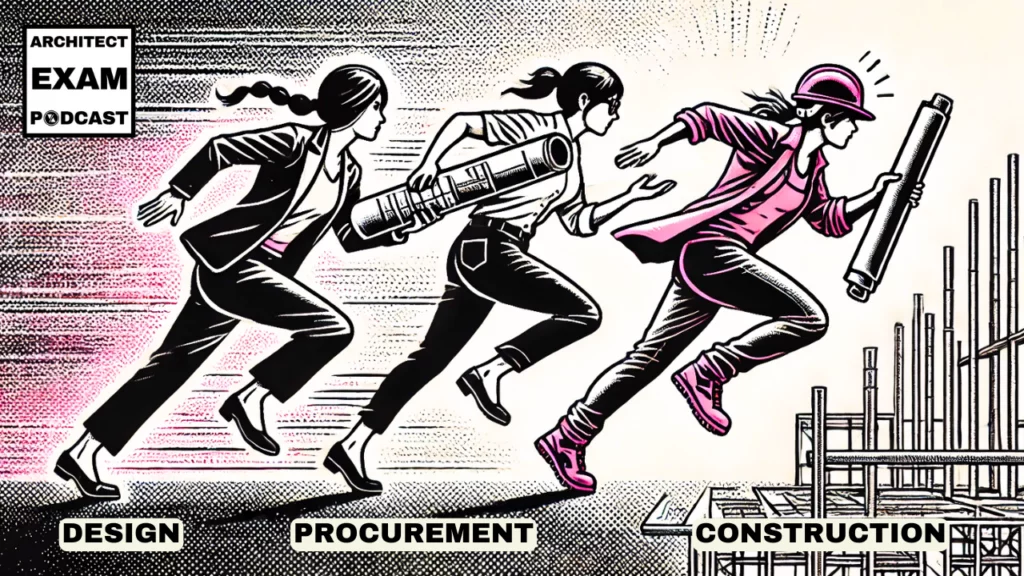
The construction bidding process on public projects follows a strict, regulated path from completed drawings to breaking ground. This guide walks through all eight stages of the construction bid process, covering bid preparation, sealed bidding,...

Construction cost estimates are essential tools that help architects provide accurate budget guidance and make smart design decisions throughout every project phase. These estimates evolve from broad conceptual estimates with 25-50% accuracy to precise...
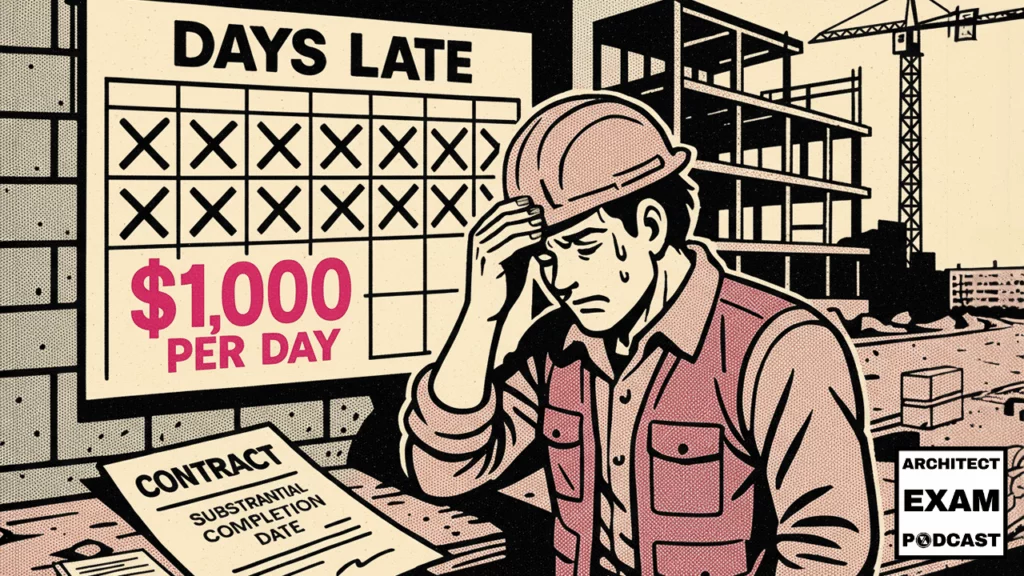
Understanding liquidated damages is critical for architects, contractors, and ARE candidates preparing for the architect registration examination. This comprehensive guide covers the liquidated damages definition, how a liquidated damages clause works, where they appear in...
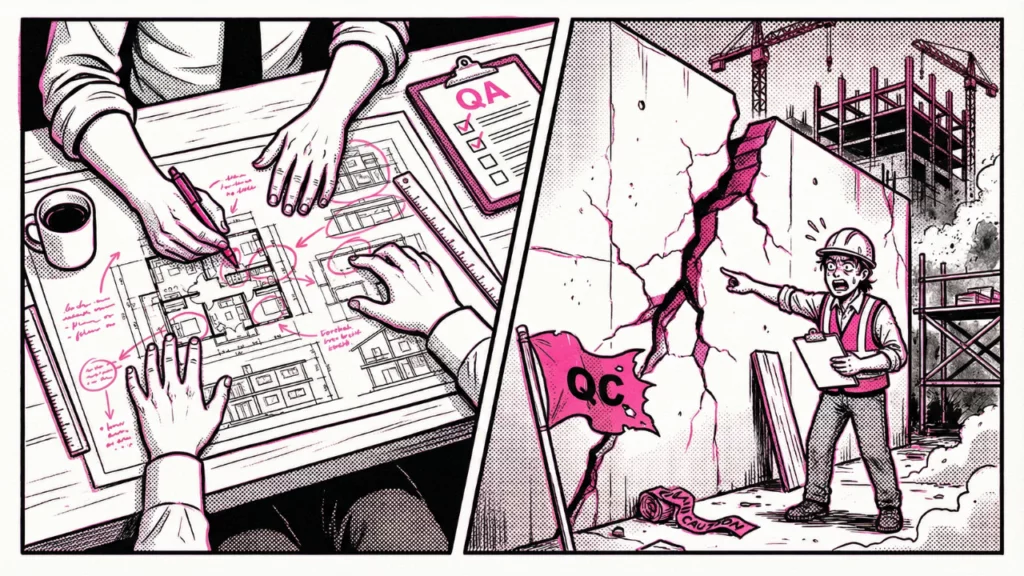
QA vs QC is one of the most commonly confused topics in architecture and construction. Quality assurance (QA) prevents problems before they happen. Quality control (QC) finds and fixes them after the fact. This...

Understanding “no exceptions taken” and mastering construction submittals is essential for ARE success and professional practice. This comprehensive guide explains the submittal process, types, and review actions that translate design intent into construction reality....
CSI® MasterFormat® is the construction industry’s standardized system for organizing specifications and project information. This comprehensive guide breaks down all 50 CSI MasterFormat divisions, explains the numbering system and three-part specification format, compares MasterFormat...

Join Michael and Emily for a free webinar exploring CSI® certifications. Learn how these credentials fit into your ARE or NCIDQ prep and can boost your architecture career while you’re already doing the work. Whether...
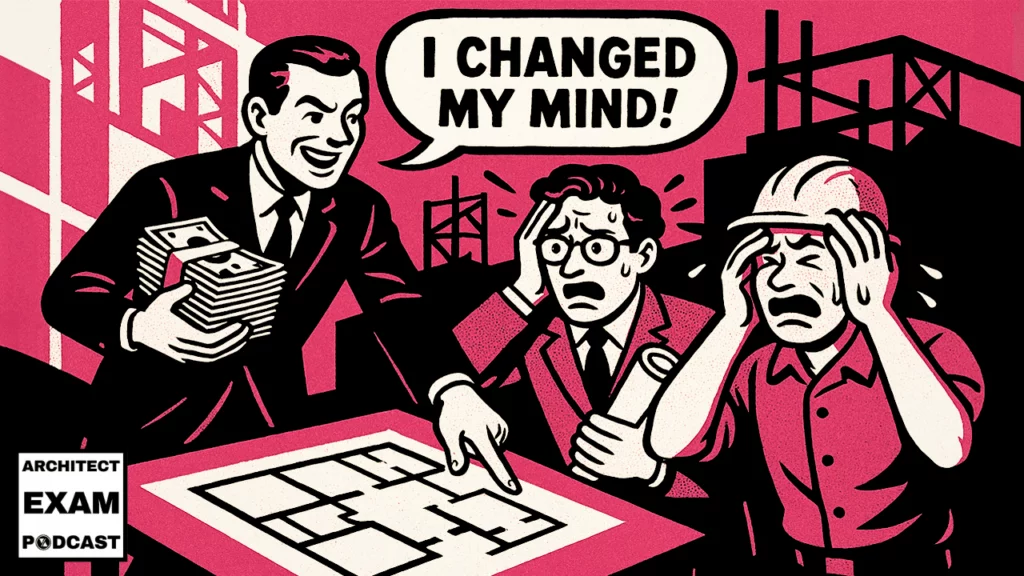
Understanding what is a change order in construction is essential for every architect, contractor, and project manager. Construction change orders are formal contract amendments that require agreement from all three parties, and they always cost...
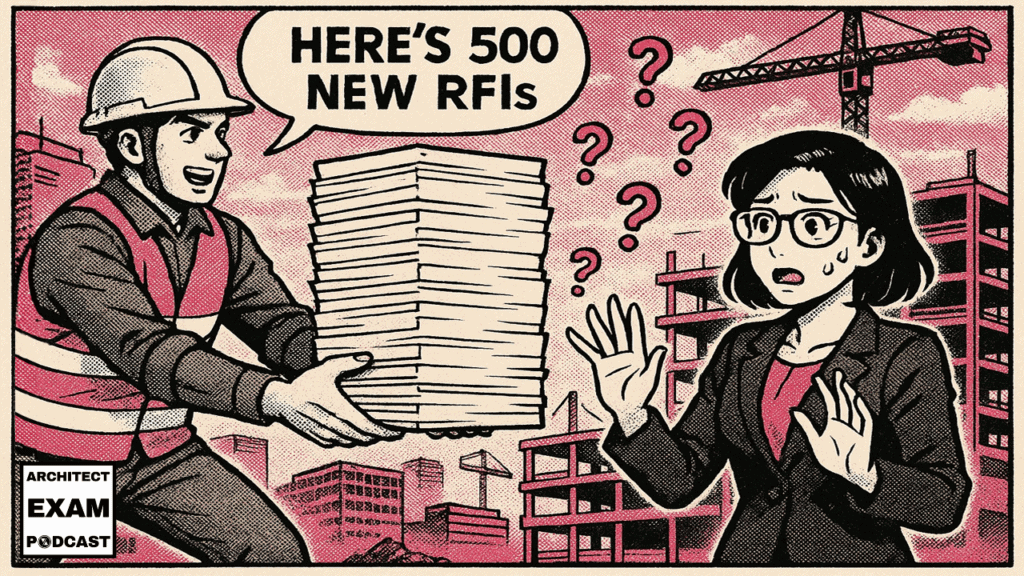
The RFI meaning in construction is straightforward: it stands for Request for Information. An RFI in construction is a formal document used during the building process to clarify unclear, missing, or conflicting information in...

Understanding architect fees and fee structures is crucial for every architecture professional and ARE candidate. This comprehensive guide breaks down typical architect fees, architectural fees per square foot, hourly rates, and contractor pricing methods...
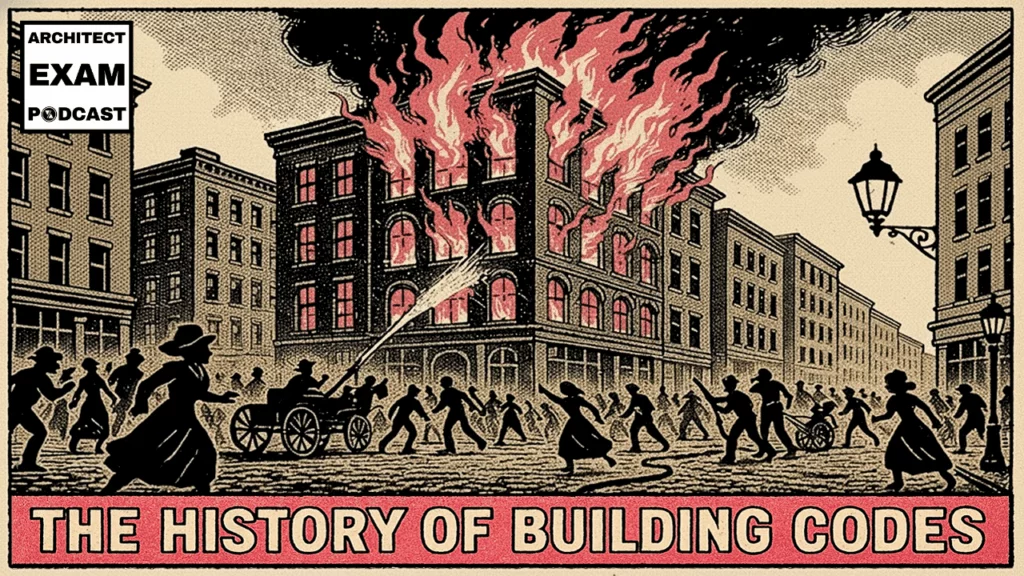
Building code history isn’t written by committees in conference rooms. It’s written in tragedy. Every exit sign, sprinkler head, and panic bar you see exists because someone died when those safety features didn’t. Understanding...
Stop making excuses about getting your architecture license. Every month you delay pursuing your ARE exams costs you more than money – it costs you time, opportunities, and career advancement. This reality check explores...

Test day anxiety affects even the most prepared ARE candidates, but the right mindset strategies can transform your exam experience. This comprehensive guide reveals proven techniques to manage test day panic, overcome exam anxiety,...

Construction specifications may not be the sexiest part of building projects, but they’re often the difference between project success and expensive disasters. In this article, we’ll expose the dangerous myths about these critical documents that...
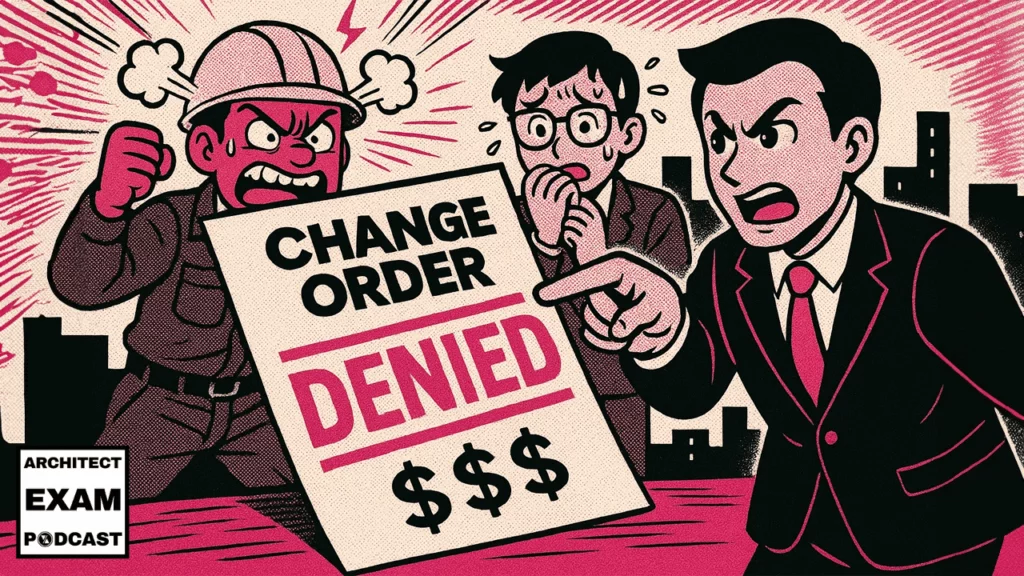
Construction claims and disputes are inevitable realities that every AEC professional will encounter. This is when there are issues on a project that get escalated to the point where we need third parties to...
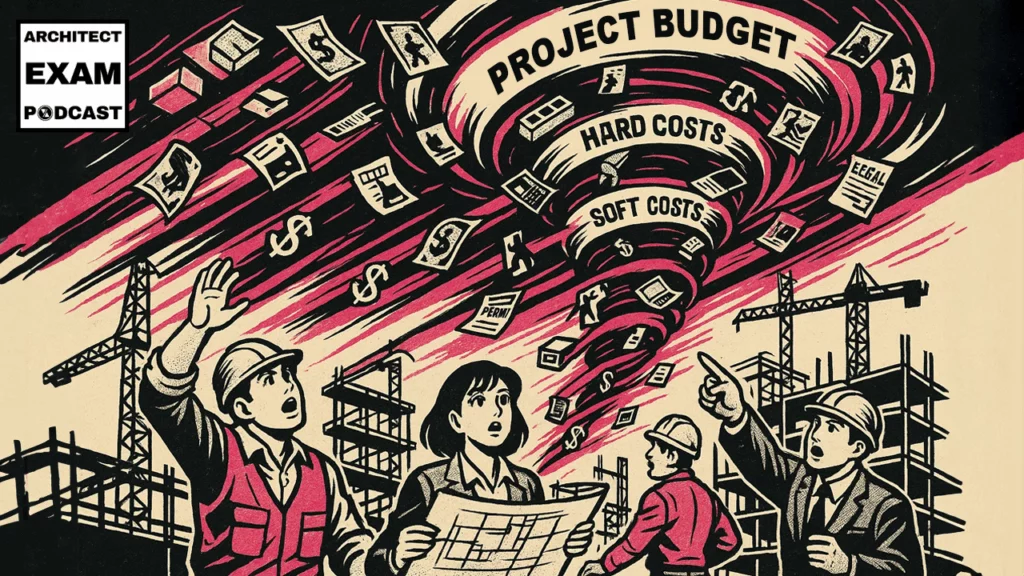
Understanding the financial structure of construction projects is essential for architects. Whether you’re managing a client’s budget expectations,, leading your first project, or preparing for the ARE, knowing the difference between hard costs vs soft...

The concept of an Architect’s Standard of care is the cornerstone of architectural practice that defines reasonable professional competence. It protects the architect against unrealistic client expectations, and it serves as the legal basis...

Understanding the different business entity types for architects is about as exciting as watching concrete cure – but it’s absolutely crucial for your architecture career and the ARE exam. Think of this guide as...
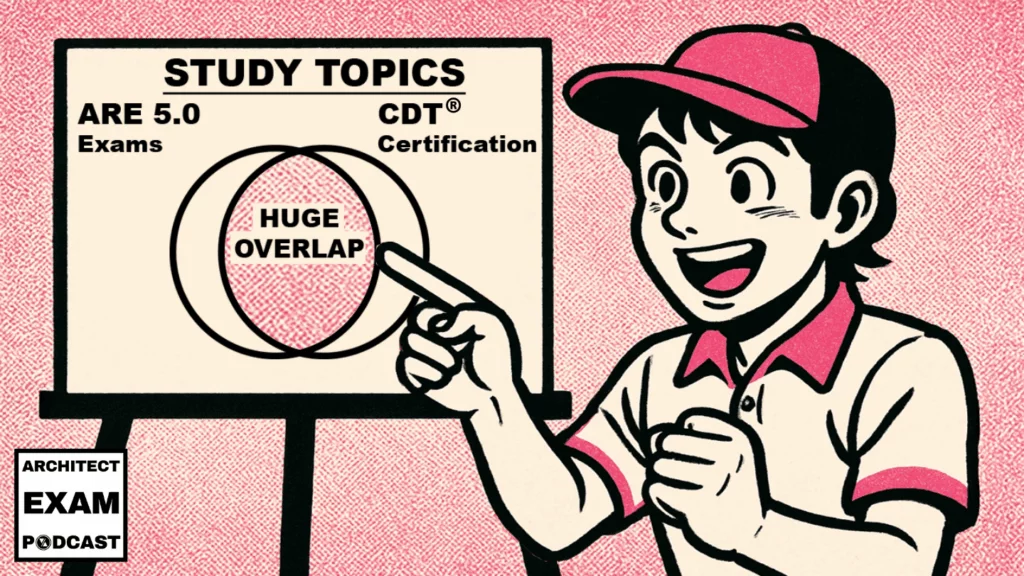
Discover why CDT® certification is becoming the strategic advantage for ARE candidates seeking to accelerate their licensing journey. This industry-recognized credential fills critical knowledge gaps, builds professional confidence, and provides the comprehensive project delivery understanding...